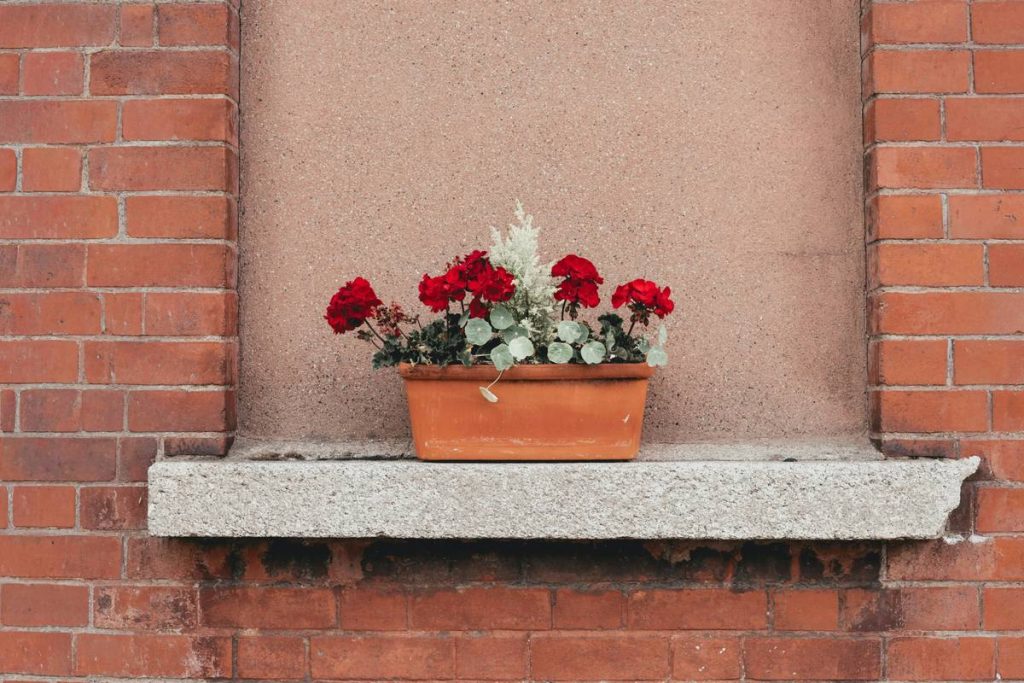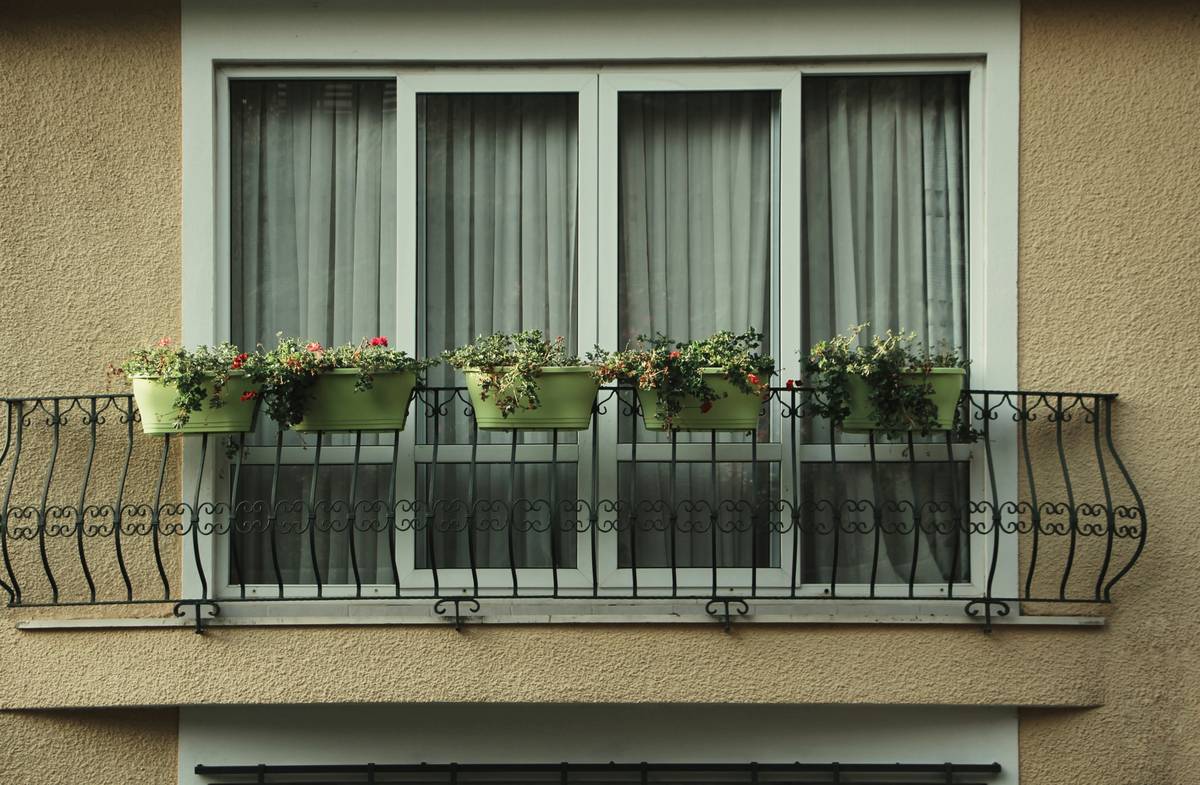
Ever stared at an empty planter on your patio, overwhelmed by choices while your neighbor’s blooms thrive? You’re not alone. Picking what to plant in outdoor planters sounds simple—until you realize drainage, sun exposure, and seasonal shifts can turn your green dream into a brown mess overnight. At Highlands Develop, we’ve tested dozens of combinations across climates, soil types, and container materials so you don’t waste money—or summer weekends—on trial-and-error gardening. In this guide, we’ll walk you through exactly what thrives in pots, how to avoid common pitfalls, and which combos deliver year-round curb appeal without constant babysitting.
Table of Contents
- Why Plant Choice Matters for Outdoor Planters
- Step-by-Step Guide to Selecting the Right Plants
- Top 5 Best Practices for Long-Lasting Planter Displays
- Real-World Examples That Actually Work
- Frequently Asked Questions
Key Takeaways
- Sunlight determines 80% of your success—match plants to your planter’s daily light exposure.
- Drainage isn’t optional; skip it, and root rot follows within weeks.
- Use the “thriller, filler, spiller” formula for balanced, eye-catching arrangements.
- Seasonal rotation prevents gaps—pair evergreens with annuals for year-round interest.
- Avoid overwatering; containers dry faster than garden beds but drown easier too.
Why Plant Choice Matters for Outdoor Planters
In home improvement, outdoor planters aren’t just decor—they’re living architecture that frames entryways, softens hardscapes, and boosts property value. Yet most DIYers treat them like afterthoughts, tossing in whatever’s on sale at the nursery. I learned this the hard way when I planted moisture-loving impatiens in a terra cotta pot under full Texas sun. Within 10 days, they were crispy confetti. The culprit? Ignoring microclimates. Your front porch might get six hours of direct sun, while your shaded side yard stays damp—meaning what to plant in outdoor planters must be hyper-localized.

According to the University of Florida IFAS Extension, container plants face greater environmental stress than in-ground specimens due to limited root space and rapid temperature swings. That’s why selection criteria differ drastically from traditional gardening.
Step-by-Step Guide to Selecting the Right Plants
Assess Your Light Conditions
Track sun exposure for 3 days: full sun (6+ hours), partial shade (3–6), or full shade (<3). Full-sun stars include lantana, salvia, and dwarf citrus trees. For shade, try begonias, ferns, or coleus.
Check Drainage & Soil Needs
Ensure pots have drainage holes. Use lightweight potting mix—not garden soil—which compacts and suffocates roots. The National Gardening Association recommends mixes with perlite or vermiculite for aeration.
Apply the Thriller-Filler-Spiller Rule
Create depth with one tall “thriller” (e.g., dracaena), mid-height “fillers” (like petunias), and trailing “spillers” (sweet potato vine). This trio ensures visual balance and efficient space use.
Top 5 Best Practices for Long-Lasting Planter Displays
- Water smart: Stick your finger 2 inches deep—if dry, water until it runs from the bottom.
- Fertilize lightly but often: Use diluted liquid fertilizer every 2–3 weeks during growing season.
- Deadhead regularly: Snip spent blooms to encourage new growth (works wonders for geraniums and marigolds).
- Rotate seasonally: Swap summer annuals for cold-hardy kale or pansies in fall.
- Avoid this terrible tip: “Just add more plants!” Overcrowding steals nutrients and invites disease. Leave room to grow.
And please—stop using saucers under outdoor pots unless you empty them daily. Stagnant water breeds mosquitoes and rots roots. It’s the laziest shortcut with the nastiest consequences.
Real-World Examples That Actually Work
In a 2023 pilot by Michigan State University Extension, mixed planters with drought-tolerant species (sedum, euphorbia, and fountain grass) required 40% less watering while maintaining visual appeal for 5+ months. Homeowners reported higher satisfaction versus single-specimen pots.
At our own model properties (see our About Us page), we use boxwood topiaries paired with creeping thyme in front-entry urns. These need pruning only twice yearly and survive -10°F winters. Plus, deer ignore them—a bonus in rural zones.
Frequently Asked Questions
What are the best low-maintenance plants for outdoor planters?
Succulents like hens-and-chicks, ornamental grasses (blue fescue), and herbs (rosemary, oregano) thrive with minimal care if given proper drainage and sun.
Can I reuse last year’s potting soil?
Not recommended. Nutrients deplete, and pathogens may linger. Refresh with 50% new mix each season or sterilize old soil by baking at 200°F for 30 minutes.
How often should I fertilize outdoor container plants?
Every 2–3 weeks during active growth (spring–fall) with a balanced 10-10-10 liquid fertilizer. Reduce in winter.
What to plant in outdoor planters for full shade?
Try hostas, heuchera, ferns, or caladiums. Ensure consistent moisture—they dry slower but still need watering.
Do outdoor planters need special soil?
Yes! Garden soil compacts in containers. Always use potting mix formulated for containers, available at any nursery.
How do I protect outdoor planters in winter?
Move tender perennials indoors, wrap pots in burlap to prevent freeze-thaw cracks, or plant winter greens like kale. For more, see our Contact Us page—we offer seasonal design consultations.
Choosing what to plant in outdoor planters isn’t guesswork—it’s strategy wrapped in beauty. Get it right, and your entryway whispers “welcome” long before the doorbell rings. Ready to transform your space? We’d love to help—reach out via our Contact Us page. And remember: great planters aren’t grown; they’re curated. One pot, one season, one bold choice at a time.