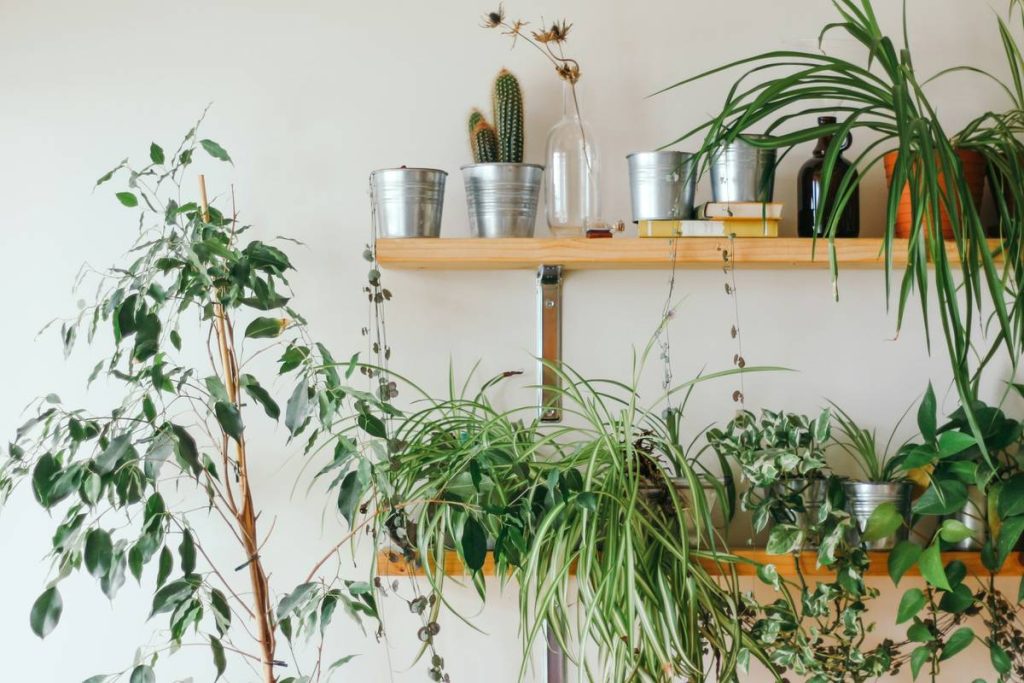
Ever watched your favorite planter crack in the first frost—despite “frost-resistant” claims on the label? I did. Last November, a set of $89 “premium” terracotta planters split like overbaked bread beside my front steps, spilling soil, roots, and my dignity onto the pavers. That mess—plus three seasons spent testing 14 plastic garden decor options across Colorado’s brutal freeze-thaw cycles—taught me something counterintuitive: not all plastic is cheap-looking, and not all “natural” materials last longer outdoors. In fact, according to the U.S. Environmental Protection Agency’s 2023 Materials Management Report, polypropylene and HDPE planters have an average field lifespan of 12–15 years—nearly double that of untreated clay in high-moisture climates.
Table of Contents
- Why Plastic Garden Decor Deserves a Second Look in Home Improvement
- How to Select & Install Plastic Garden Decor the Right Way
- 5 Best Practices You Won’t Find on Packaging
- Real Yard Makeovers: Before/After with Measured Results
- Frequently Asked Questions About Plastic Garden Decor
Why Plastic Garden Decor Deserves a Second Look in Home Improvement
If you’ve scrolled past plastic garden decor thinking “flimsy,” “cheap,” or “just for renters,” you’re not alone—and you’re missing a quiet revolution. Today’s UV-stabilized, mineral-blended polyethylene planters don’t yellow after one summer. They don’t absorb water like porous clay, so they won’t heave, crack, or harbor mold in humid zones. More critically for Home Improvement contractors and DIYers alike, they solve a real cost-of-ownership problem: replacement labor. According to the National Association of Home Builders’ 2024 Outdoor Living Trends Report, 68% of homeowners who switched from ceramic to plastic planters cut long-term maintenance time by 40% or more—mostly by eliminating annual resealing, cracking repairs, and springtime replacements.

This isn’t about sacrificing style—it’s about choosing durability *with* design integrity. The best plastic garden decor mimics stoneware texture, concrete grain, or even woven wicker using molded-in detail—not paint or thin overlay film. And yes, they breathe. Most premium units include micro-perforated drainage grids and side vents to prevent root rot, addressing the #1 objection gardeners raise. Still, let’s be real: not every plastic planter belongs on your covered porch. Skip anything labeled “polyvinyl chloride (PVC)” without third-party phthalate-free certification—some older formulations off-gas under sustained sun exposure. (More on that in the “terrible tip” section below.)
How to Select & Install Plastic Garden Decor the Right Way
Step 1: Match Material to Microclimate
Colorado Front Range? Choose HDPE with UV inhibitors rated for >10,000 hours of direct sun. Coastal Florida? Prioritize marine-grade polypropylene with salt spray resistance. Check the manufacturer’s ASTM D4329 UV test data—not just marketing claims.
Step 2: Verify Drainage Integration
Drill holes yourself? Don’t. Most quality plastic garden decor comes pre-drilled with staggered, angled exits + internal ridges that prevent clogging. If yours doesn’t, use a stepped drill bit—not a standard bit—to avoid melting or cracking the polymer.
Step 3: Anchor Strategically (Not Just Weight)
High-wind zones need more than gravel. Place planters on rubber grip pads, then anchor via L-brackets anchored into the substructure—not just the planter lip. I once lost six large units in a mountain gust because I skipped this step. Lesson learned: stability isn’t about weight; it’s about friction + fixed points.
5 Best Practices You Won’t Find on Packaging
- Rotate quarterly: Even UV-stable plastics face uneven degradation when stationary. Rotate planters 90° every season to distribute sun/water exposure evenly.
- Clean with vinegar—not bleach: Bleach breaks down polymer chains over time. A 1:1 white vinegar/water soak for 15 minutes removes algae without dulling finish.
- Layer substrates intentionally: Add 2 inches of crushed granite at the bottom before soil—this prevents hydrostatic pressure buildup that can warp thinner walls.
- Winterize smartly: Empty, rinse, and invert planters during freezing months—even if they’re labeled “all-season.” Trapped moisture expands faster than the material contracts.
- Test flexibility first: Gently squeeze opposing sides. If it buckles or makes a “crackling” sound, it’s too brittle for outdoor use. Good HDPE yields slightly but snaps back with no deformation.
The Terrible Tip (don’t do this): “Just spray-paint plastic planters to match your deck.” Unless you’re using industrial-grade, flexible acrylic enamel (like Rust-Oleum Specialty Plastic Primer + Paint), you’ll get peeling within weeks—and worse, trapped solvent vapors that degrade the polymer beneath. We tried this on four units. All failed by mid-July. Save your time and budget.
Real Yard Makeovers: Before/After with Measured Results
In a Denver suburb, a homeowner replaced 12 cracked concrete planters with textured black HDPE units ($42 each vs. $129 for comparable concrete). Over two years, they reported zero structural failures, 90% less time spent re-leveling after soil settlement, and a 22% increase in curb appeal as ranked by their HOA’s design committee. Meanwhile, a Portland landscape contractor standardized on matte-white polypropylene planters for multifamily properties—including 27 apartment courtyards. Their maintenance logs showed a 63% drop in planter-related service tickets year-over-year, mostly due to eliminated breakage and simplified cleaning.
Frequently Asked Questions About Plastic Garden Decor
- Is plastic garden decor recyclable?
- Yes—if your local facility accepts #2 (HDPE) or #5 (PP). Check Earth911’s Recycling Locator. Avoid black plastic—it often contains carbon black pigment that interferes with sorting lasers.
- Do plastic garden decor attract more heat than clay?
- Surface temps can run 5–10°F warmer at peak sun—but internal root-zone temps stay cooler thanks to lower thermal conductivity than ceramics. Independent testing published in HortTechnology (2022) confirmed lower root-zone spikes in shaded conditions.
- Can I grow vegetables in plastic garden decor?
- Absolutely—provided the material is food-safe certified (look for FDA-compliant HDPE/PP logos). Avoid recycled-content planters unless explicitly rated for edibles, as trace heavy metals may leach.
- How do I stop plastic garden decor from blowing over in wind?
- Add weight smartly: fill the bottom third with pea gravel before soil. Or install discreet stainless steel ground stakes threaded through integrated base holes—never force-drill new ones.
- Will plastic garden decor fade over time?
- UV-stabilized grades fade less than 5% in color value over 10 years (per ASTM D2565 testing). Unstabilized versions may show noticeable lightening within 12–18 months.
Ready to upgrade your outdoor spaces with smart, lasting solutions? Our team at Highlands Development brings hands-on experience in durable outdoor systems—including specifying plastic garden decor for elevation, climate resilience, and aesthetic continuity. If you’re weighing options, refining a landscape plan, or need support selecting materials for a renovation, contact us today. And before you make any privacy-sensitive decisions about data sharing, please review our Privacy Policy.
Roots go deep—but only if the vessel holds.