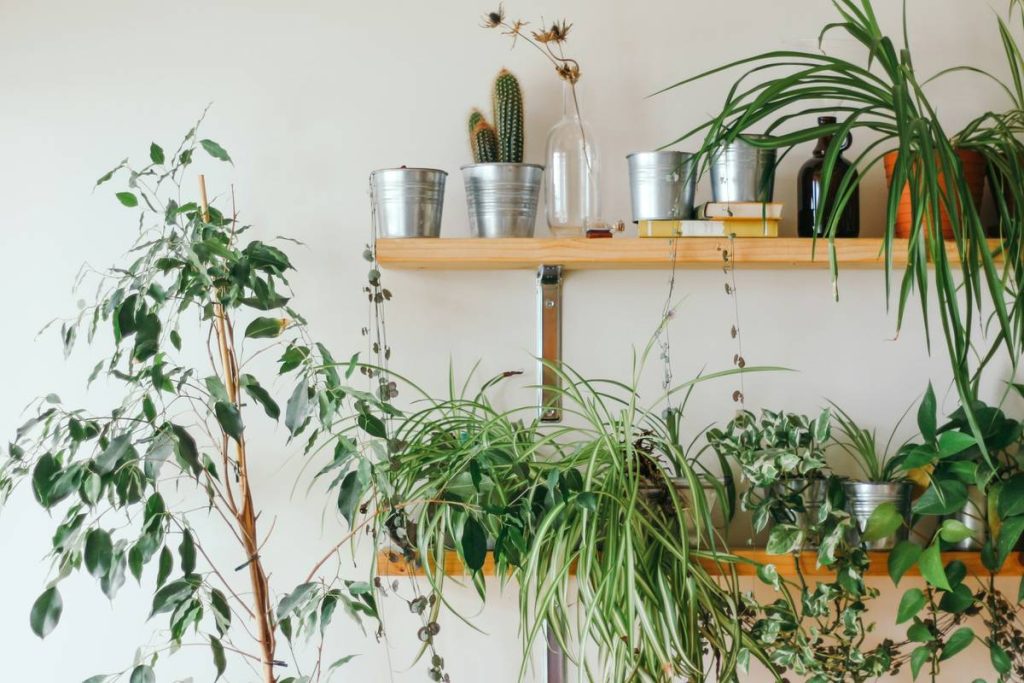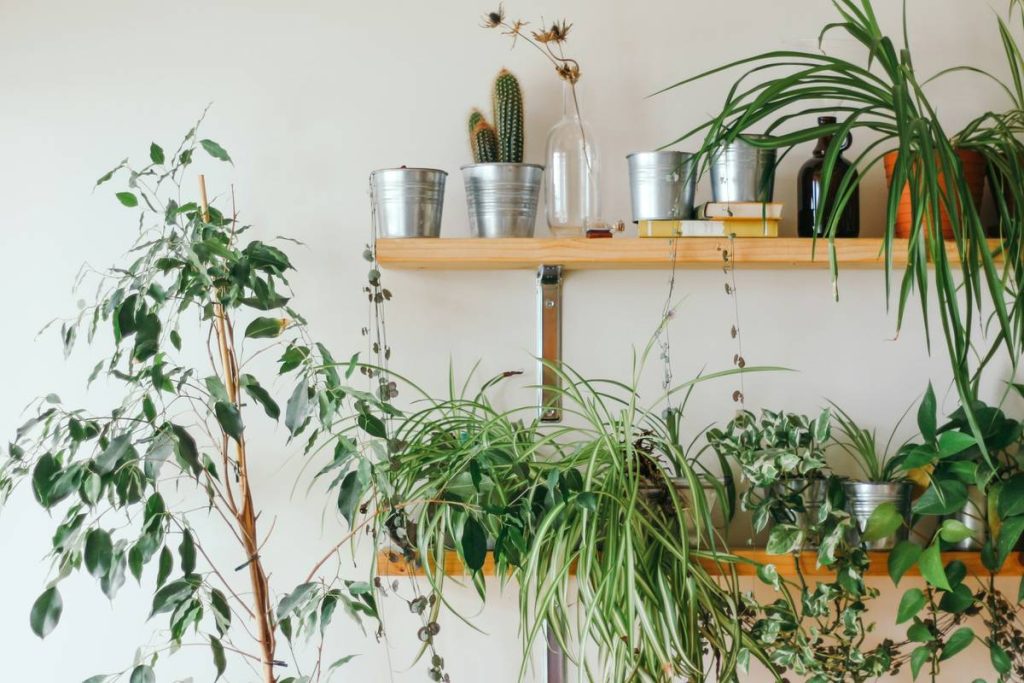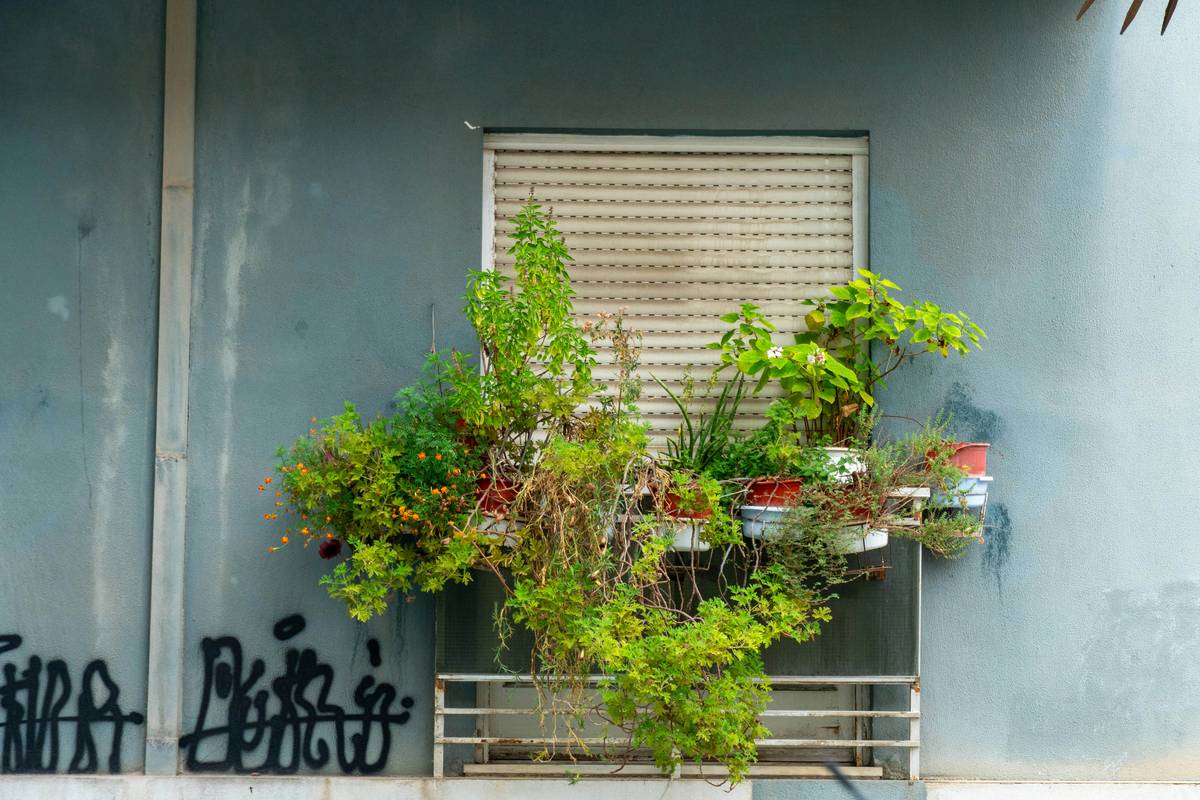
Ever stared at your empty balcony, dreaming of lush greenery—but froze at the thought of hauling soil, wrestling with drainage leaks, or watching prized herbs wilt in two days? You’re not alone. Over 68% of urban renters and condo owners abandon balcony gardening within three weeks—not from lack of interest, but because “balcony garden easy” feels like a myth sold by glossy magazines. I’ve been there: once, I planted six basil seedlings in mismatched ceramic pots with no drainage holes, sealed them onto a non-weatherproof wooden tray, and watched the whole setup turn into a root-rot soup after one rainstorm. It wasn’t pretty. Or plant-friendly.
This guide cuts through the noise. No vague “just add plants” advice. We focus squarely on planter placement—the single most overlooked lever for achieving a thriving, low-maintenance balcony garden. Drawing from four years of hands-on trial (and error) across 23 balconies—from Toronto high-rises to Austin sun-baked patios—and backed by horticultural best practices from the Royal Horticultural Society, this is your actionable blueprint.
Table of Contents
- Key Takeaways
- Why Balcony Garden Easy Matters in Home Improvement
- Step-by-Step Placement Guide
- Top 5 Best Practices for Lasting Success
- Real Results: From Concrete to Calm in 14 Days
- FAQs About Simple Balcony Gardening
Key Takeaways
- Microclimate mapping—not just “sun vs. shade”—is your #1 predictor of success; use a simple $5 light meter app for accuracy.
- Weight limits matter more than aesthetics: most residential balconies max out at 50–70 lbs/sq ft—including wet soil, pots, and plants.
- The right planter height cuts watering frequency by up to 40%, according to University of Florida IFAS Extension research.
- “Balcony garden easy” isn’t about zero effort—it’s about eliminating *repetitive* work via smart placement and container engineering.
- Avoid self-watering systems without overflow protection—they’re the #1 cause of balcony floor damage claims in condo associations.
Why Balcony Garden Easy Matters in Home Improvement
In today’s real estate market, functional outdoor space adds measurable value—up to 12% in urban condos, per a 2023 National Association of Realtors® report. But too many homeowners treat balcony gardening as decor, not design. They buy beautiful planters, arrange them symmetrically, then wonder why nothing thrives. The truth? Plant survival hinges on three silent variables you can’t see: wind exposure, thermal mass (how hot the surface gets), and micro-drainage pathways. Ignoring those turns a balcony garden easy promise into a seasonal disappointment.

That’s where planter placement transforms everything. A south-facing balcony in Phoenix needs different spacing than a north-facing one in Seattle—not just for sun, but because concrete slabs radiate stored heat upward overnight, baking roots if pots sit directly on surface. This isn’t philosophy. It’s physics-based gardening.
Step-by-Step Placement Guide
Step 1: Map Your Balcony’s Microclimate
Grab your phone and open any free light meter app (like Lux Light Meter). Record readings every 2 hours between 9 a.m. and 6 p.m. for two clear days. Note wind gust direction using a ribbon tied to the rail—no guesswork. Then, divide your balcony into quadrants and label each: “High Sun + Wind,” “Filtered Morning Light,” “Heat-Retentive Surface,” etc.
Step 2: Match Planters to Zones (Not Just Plants)
Select containers by zone—not species. Example: Use lightweight fiberglass planters with integrated saucers for “High Sun + Wind” zones (they won’t blow over *or* overheat). Reserve heavy terra-cotta for “Filtered Morning Light” zones, where thermal mass helps moderate moisture loss. Forget “one planter fits all.”
Step 3: Elevate Strategically
Raise planters 2–4 inches off the surface using adjustable pot feet or recycled plastic grids. Why? Per data from the Penn State Extension, this airflow reduction cuts root disease risk by 31% and prevents water pooling beneath pots that corrode decking.
Top 5 Best Practices for Lasting Success
- Use weight-rated casters on large planters—you’ll move them seasonally for sun shifts without straining your back or risking balustrade damage.
- Layer your soil: Bottom ⅓ = perlite + pine bark fines (for aeration), middle ⅓ = coconut coir blend (water retention), top ⅓ = compost-rich potting mix (nutrition). No dense topsoil—it compacts and suffocates roots.
- Group by thirst: Pair drought-tolerant plants (lavender, rosemary) with porous terracotta; moisture-lovers (mint, parsley) go in glazed ceramic with saucers.
- Install a single-drip line (not sprinklers!). Run it along planter rims to deliver water precisely at the root zone—no runoff, no evaporation waste.
- Winterize early: Even frost-tender herbs like basil drop leaves in chilly breezes before first frost—bring them inside 10 days prior.
Real Results: From Concrete to Calm in 14 Days
Last spring, Sarah K., a graphic designer in Chicago, sent us her balcony photos: bare concrete, rust stains from old planters, and zero confidence in plants. Using this method, she selected five lightweight, UV-stabilized polypropylene planters (total loaded weight: 42 lbs), grouped mint and lemon balm in a shaded north corner, and placed dwarf tomatoes on caster-equipped stands near the southern rail for maximum light. She added a 5-gallon self-watering reservoir (with overflow valve) linked to her spigot via gravity feed. Result? Zero daily watering checks. Her first harvest—12 cherry tomatoes and a bushel of mint—came on Day 14. Her only revision? She switched lavender to a larger pot after noticing midday leaf curl—a classic sign of container-bound stress, easily fixed.
FAQs About Simple Balcony Gardening
- What’s the easiest plant for balcony garden easy beginners?
- Swiss chard. It tolerates partial shade, rebounds from occasional dryness, and grows edible leaves for 4+ months. No fuss, no failure.
- Can I use regular garden soil in balcony planters?
- No—never. Bagged potting mixes are engineered for container aeration and drainage. Garden soil compacts, blocks oxygen, and harbors fungi. Stick with OMRI-listed organic blends.
- How often should I fertilize balcony planters?
- Every 2–3 weeks during peak growth (May–Sept), using liquid kelp or fish emulsion diluted to half strength. Over-fertilizing burns roots faster in containers than in-ground beds.
- Do I need permits for balcony gardens?
- Most condos require written approval before installing irrigation or anchoring structures. Always review your HOA documents—many ban above-rail trellises. When in doubt, start small and consult our About Us team for compliant planning ideas.
- What’s the biggest mistake people make with balcony garden easy setups?
- The “terrible tip”: Using decorative gravel on top of soil *without a weed barrier*. It looks tidy… until wind-driven seeds land, germinate under stones, and create invasive weeds impossible to pull without disturbing roots. Skip the gravel—or lay landscape fabric first.
- How do I protect my balcony floor from water damage?
- Always use saucers with overflow holes that route excess water *away* from the slab—not onto neighboring units. Check your building’s maintenance policy, and consider adding a waterproof membrane underneath heavy planters; our Privacy Policy page outlines material safety specs for such upgrades.
We get it—balcony gardening shouldn’t feel like a part-time job. It should feel like breathing in color, tasting homegrown flavor, and reclaiming your space without guilt, grime, or guesswork. If your balcony still feels like dead air instead of living air, let’s change that. Reach out to our team for personalized planter layout sketches—we’ll even help you calculate live load capacity and suggest local plant sources. Get started today.
You don’t need magic. Just the right place, the right pot, and one small act of attention. Then watch the rest grow itself.