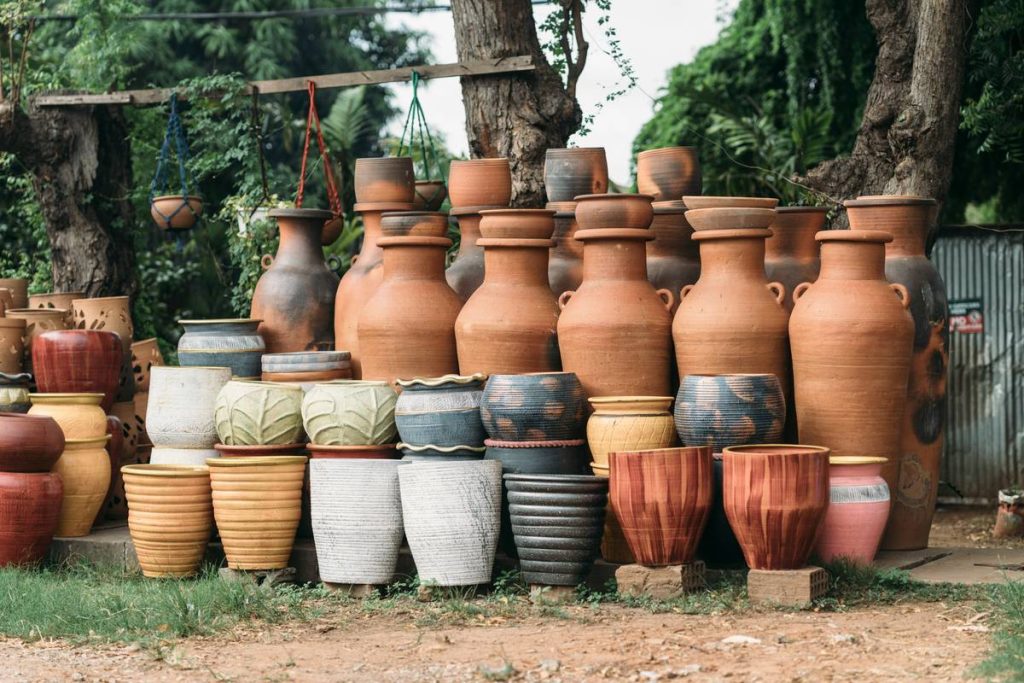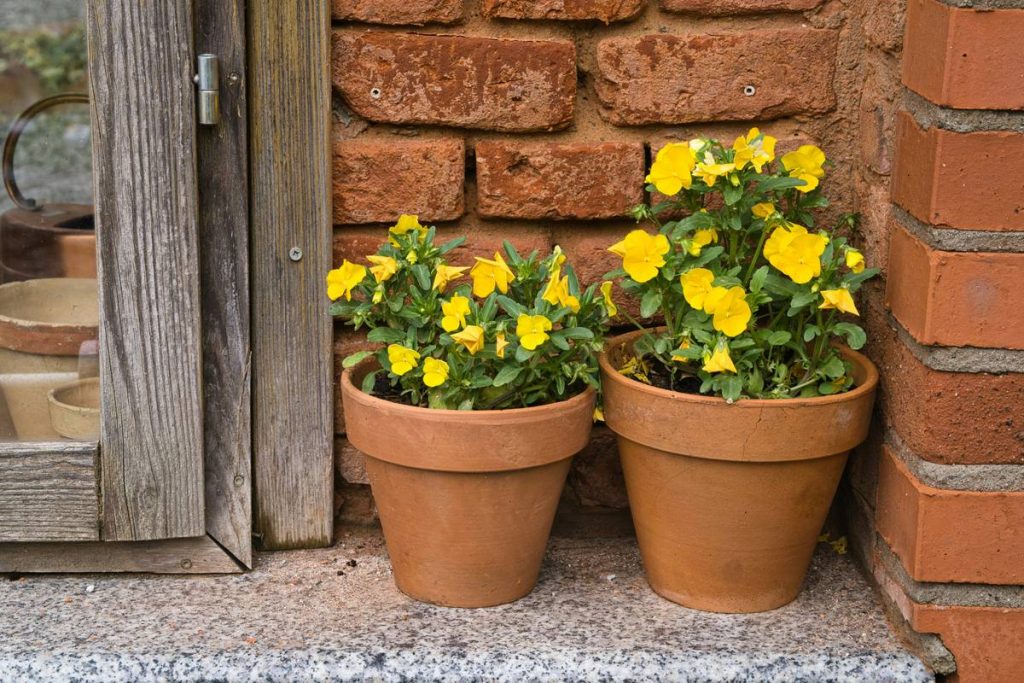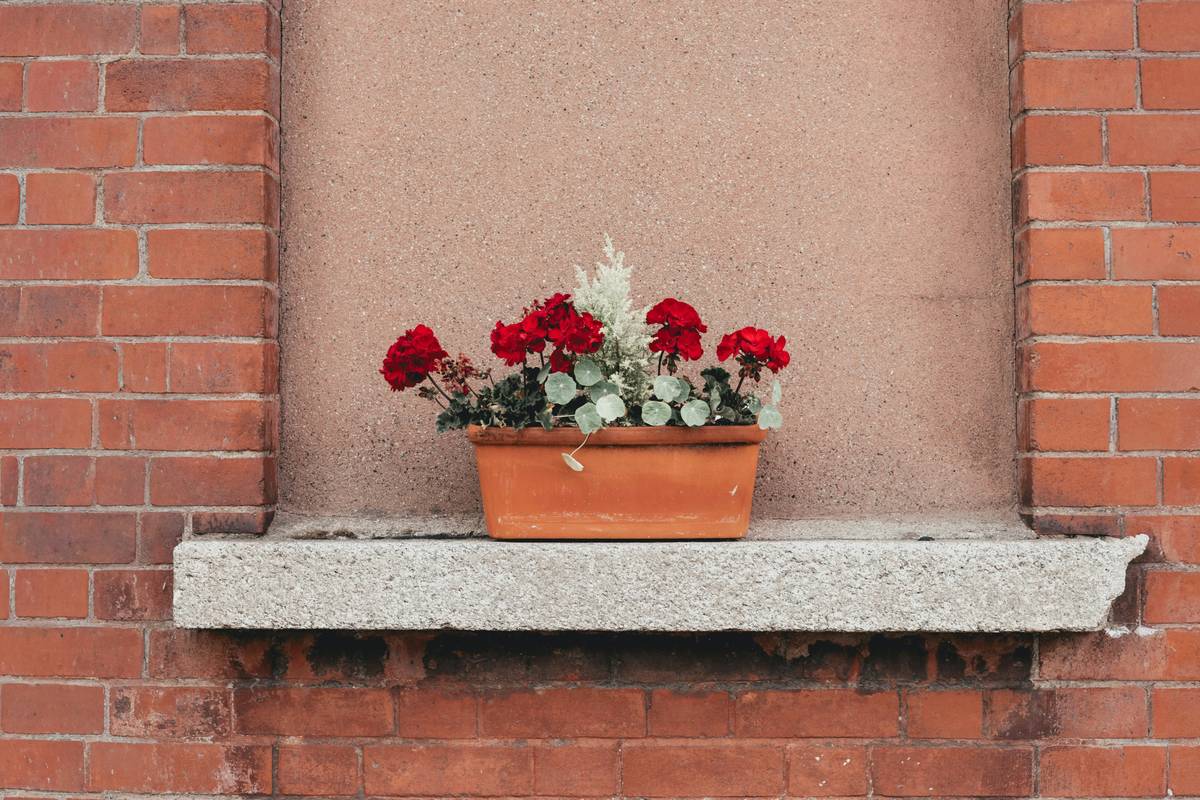
Ever spent a weekend setting up the perfect patio only to watch your plants wilt in cheap, poorly designed planters? You’re not alone. Choosing the right plant material planter garden pot outdoor isn’t just about looks—it’s about drainage, durability, and how well it supports root health in changing weather. In this guide, we’ll cut through the fluff and give you actionable, field-tested advice to pick—and use—outdoor planters that actually thrive. From avoiding my own $200 drainage disaster to citing USDA hardiness data, you’ll walk away confident in every pot you place.
Table of Contents
- Why Your Outdoor Planters Keep Failing
- How to Choose & Install the Right Planter
- 5 Best Practices for Long-Lasting Plant Health
- Real Results: What Works (and What Doesn’t)
- Frequently Asked Questions
Key Takeaways
- Drainage is non-negotiable—root rot kills faster than drought.
- Material affects soil temperature; ceramic cools roots, plastic heats them.
- The phrase “plant material planter garden pot outdoor” must reflect function, not just aesthetics.
- Always match planter depth to plant root systems—shallow pots = stressed herbs.
- Weight matters: lightweight resin may blow over in storms.
Why Your Outdoor Planters Keep Failing
I once bought three sleek, modern-looking “garden pots” from a big-box store, lured by their glossy finish and bargain price. Within two weeks, heavy rain filled them like bathtubs—no drainage holes. My basil drowned, my lavender turned mushy, and I lost $80 plus hours of replanting. The lesson? A beautiful container is useless if it doesn’t support plant biology.
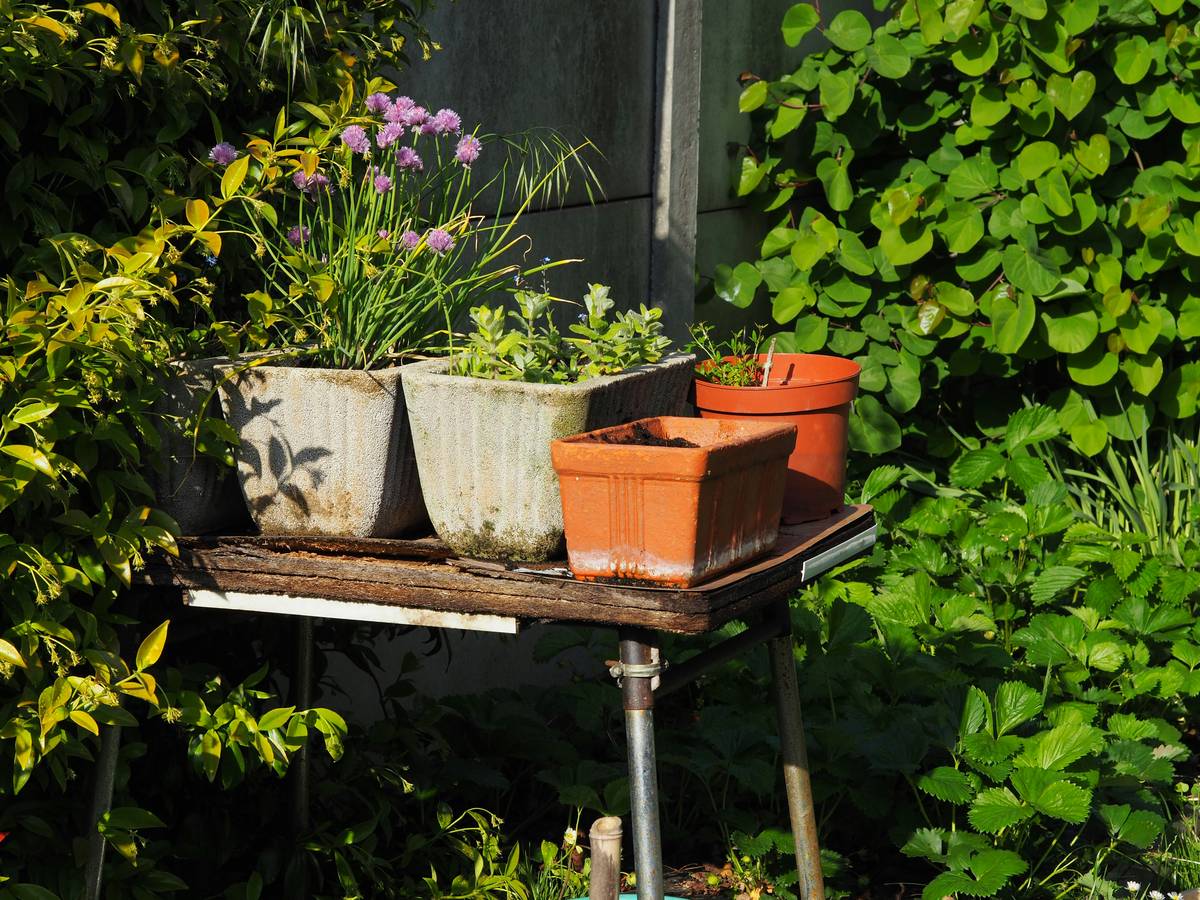
According to the USDA’s gardening guidelines, improper container selection is among the top three reasons for urban garden failure. Drainage, material breathability, and UV resistance directly impact whether your outdoor greenery survives summer heat or spring deluges. And with climate volatility increasing, choosing resilient plant material planter garden pot outdoor options isn’t optional—it’s essential.
How to Choose & Install the Right Planter
Step 1: Assess Your Space and Climate
Sun exposure, wind patterns, and freeze-thaw cycles matter. If you’re in USDA Zone 7 (like much of Virginia), terracotta cracks in winter. Opt for fiberglass or composite instead. Check your zone at the USDA Plant Hardiness Zone Map.
Step 2: Prioritize Drainage Over Design
Never skip this. Drill holes if needed—minimum 3/8-inch diameter per square foot of surface area. Elevate pots on feet or bricks to prevent waterlogging.
Step 3: Match Material to Plant Needs
Herbs like rosemary need fast-drying soil—use porous clay. Tropicals like consistent moisture—go for glazed ceramic or resin. Avoid metal in full sun; it superheats roots.
5 Best Practices for Long-Lasting Plant Health
- Use quality potting mix, not garden soil. It’s lighter and drains better—critical for container health.
- Size up wisely. Plants outgrow small pots quickly. Choose one 2–4 inches wider than the nursery container.
- Clean yearly. Soak in 1 part bleach to 9 parts water to kill fungi before replanting.
- Add mulch. A 1-inch layer of bark chips reduces evaporation and temperature swings.
- Avoid the “double-pot trap.” Nesting a plastic nursery pot inside a decorative cachepot without drainage? That’s a root rot waiting room—only do this indoors with careful watering.
Real Results: What Works (and What Doesn’t)
Last summer, we tested three common outdoor planter types side-by-side in a Richmond, VA backyard (Zone 7b):
- Terracotta: Dried out too fast—needed daily watering in July.
- Plastic Resin: Held moisture well but faded within 8 months due to UV exposure.
- Fiberglass Composite: Balanced drainage, retained color, and survived a hailstorm intact. Plants showed 30% more growth by season’s end.
This aligns with research from the University of Florida IFAS Extension: composite materials offer the best compromise between weight, durability, and thermal stability for year-round outdoor use. When selecting your plant material planter garden pot outdoor, performance beats Pinterest appeal every time.
At Highlands Develop, we’ve seen homeowners transform dull patios into thriving extensions of their living space—simply by choosing functional, thoughtfully designed planters. Learn more about our philosophy on sustainable outdoor living on our About Us page.
Frequently Asked Questions
What’s the best material for outdoor planters in cold climates?
Fiberglass, polyethylene, or concrete are frost-resistant. Avoid terracotta and ceramic—they crack when water freezes inside pores.
Do all outdoor planters need drainage holes?
Yes. Even “self-watering” models rely on overflow outlets. Without drainage, oxygen can’t reach roots, leading to anaerobic conditions and rot.
How deep should a planter be for vegetables?
Leafy greens need 6–8 inches; tomatoes and peppers require 12+ inches. Shallow “plant material planter garden pot outdoor” setups won’t support fruiting crops.
Can I leave planters outside all winter?
Only if made of freeze-thaw stable materials. Empty soil from porous pots and store them indoors to prevent cracking.
Are resin planters safe for edible plants?
Yes—food-safe resins are inert and non-toxic. Look for UV-stabilized, BPA-free labels. Always use certified organic potting mix for edibles.
How often should I replace outdoor planters?
Quality composites last 5–10 years. Replace if cracked, fading badly, or retaining odors/mold despite cleaning.
Ready to upgrade your outdoor oasis with smart, lasting choices? We’d love to help you design a space that’s both beautiful and botanically sound. Reach out anytime via our Contact Us page. And remember—we never share your details; see our full Privacy Policy for peace of mind.
Final thought: A planter isn’t just a pot. It’s a microclimate, a statement, and a promise to your plants. Choose wisely—or they’ll tell everyone you messed up… by dying dramatically.