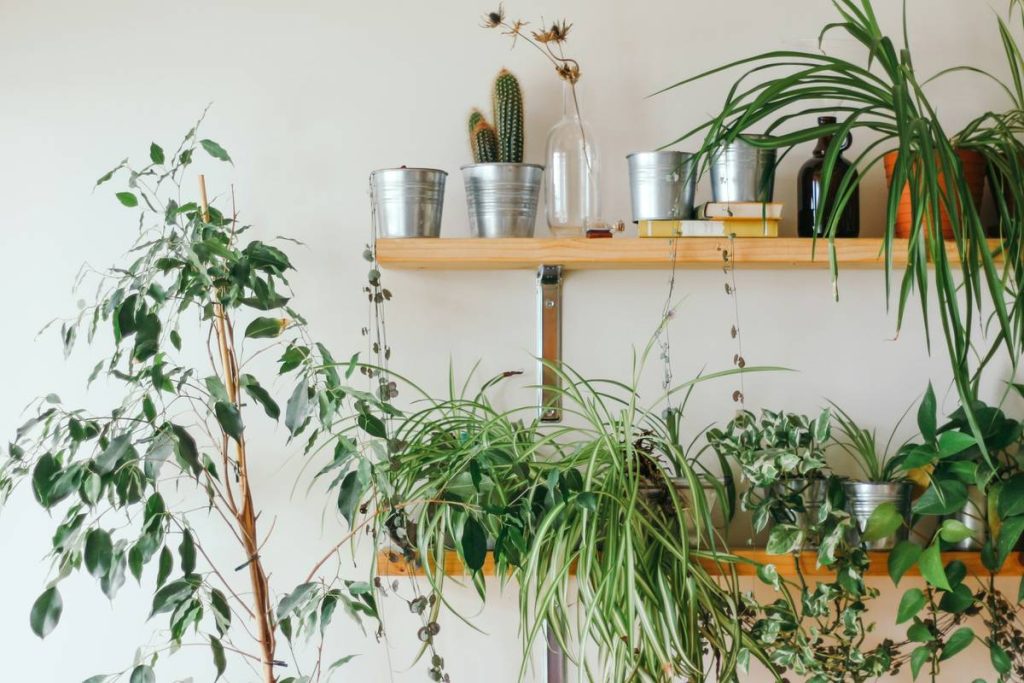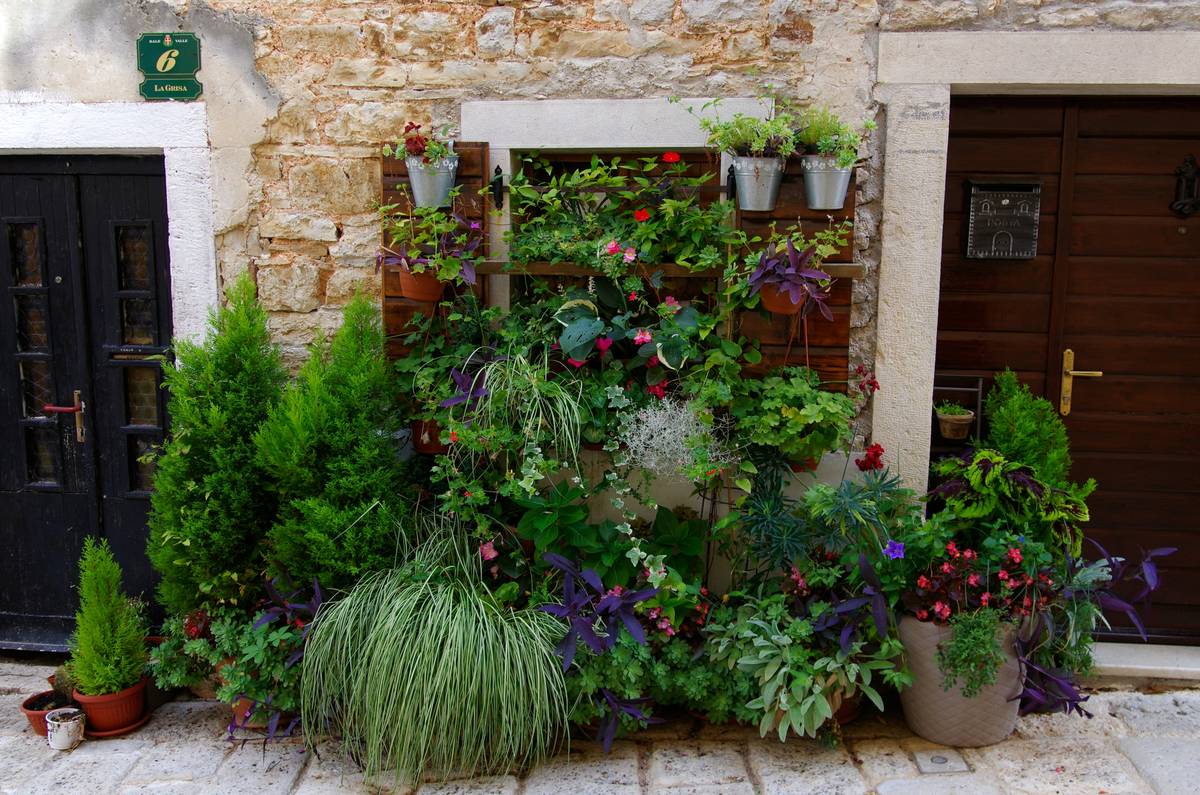
Ever walked into your backyard only to feel like something’s missing—like your space lacks height, drama, or that “wow” factor? You’re not alone. Most homeowners focus on ground-level greenery but forget vertical impact. Tall garden decor solves that. Not only does it draw the eye upward and create depth, but it also maximizes small spaces and adds architectural interest without permanent construction. In this guide, we’ll walk you through everything you need to know about choosing, placing, and maintaining tall planters—the right way.
Table of Contents
- Why Tall Garden Decor Matters
- Step-by-Step Guide to Choosing and Placing Tall Planters
- Best Practices for Long-Lasting Impact
- Real-World Results from Smart Tall Decor Choices
- Frequently Asked Questions
Key Takeaways
- Tall garden decor adds vertical dimension and visual weight to outdoor spaces.
- Material choice affects durability, cost, and maintenance—avoid untreated wood in wet climates.
- Proper drainage and weight distribution prevent tipping and root rot.
- Placement near entryways or corners enhances curb appeal and spatial flow.
- Less is more: one or two well-chosen pieces beat a cluttered collection.
Why Tall Garden Decor Matters
Home improvement isn’t just about kitchens and bathrooms—it’s about how your entire property feels. Outdoor spaces are extensions of your living area, and tall garden decor acts like furniture with height: it defines zones, adds rhythm, and breaks up monotony. According to the National Association of Landscape Professionals, properties with layered landscaping (including vertical elements) see up to 12% higher perceived value.

I learned this the hard way. Years ago, I bought three cheap, hollow resin “tall” planters online, thrilled by their $25 price tag. Within one rainstorm, they filled like bathtubs, cracked from water pressure, and toppled over my prized lavender. Lesson? Height without heft or proper drainage is worse than useless—it’s destructive.
Step-by-Step Guide to Choosing and Placing Tall Planters
Pick the Right Material
Ceramic and concrete offer stability and elegance but are heavy. Fiberglass mimics stone at lighter weight. Avoid thin plastic—it warps in sun and lacks visual substance. For cold climates, use frost-resistant materials; the University of Minnesota Extension recommends glazed ceramics or fiberglass to prevent winter cracking (extension.umn.edu).
Ensure Structural Safety
A tall planter should have a wide base relative to its height. A 4-foot planter needs at least an 18-inch diameter base. Add weight by filling the bottom third with gravel or broken tiles before soil—that lowers the center of gravity.
Strategic Placement
Position tall planters at entry points (front door, patio gate), along blank walls, or to frame seating areas. Never block sightlines or walkways. They work best in odd-number groupings (e.g., one large + two medium) for natural asymmetry.
Best Practices for Long-Lasting Impact
- Drainage is non-negotiable: Drill holes if none exist—minimum 3/4-inch diameter, spaced every 6 inches around the base.
- Use lightweight potting mix: Garden soil compacts and becomes too dense in containers. Look for mixes labeled “container” or “potting.”
- Rotate seasonal plants: Swap summer blooms (like cannas) for winter greens (boxwood or dwarf conifers) to maintain year-round interest.
- Avoid this terrible tip: “Just put rocks on top to weigh it down.” Loose rocks shift in wind and look sloppy. Anchor properly from within.
Real-World Results from Smart Tall Decor Choices
A client in Denver replaced her flat flower beds with two 36-inch ceramic tall garden decor planters flanking her front steps. She planted upright grasses (Miscanthus sinensis ‘Adagio’) and trailing ivy. Over 18 months, neighbors asked for her landscaper’s number six times—and her home sold 11 days faster than comparable listings, according to her realtor’s notes. The investment? Under $400 total. The ROI? Immeasurable curb appeal.
This mirrors broader trends: Homes & Gardens magazine reports that thoughtfully placed vertical elements increase buyer engagement by up to 27% during open houses. At Highlands Develop, we’ve seen similar results across dozens of client projects—proof that tall garden decor isn’t just aesthetic; it’s strategic.
Frequently Asked Questions
How tall should outdoor planters be for visual impact?
Ideal height ranges from 24 to 48 inches. Anything under 24 inches reads as “short,” while over 60 inches requires engineering-grade anchoring and may violate HOA rules.
Can tall planters survive winter outdoors?
Only if made from frost-proof materials like fiberglass, metal, or thick-walled concrete. Always empty soil and store ceramic or terracotta indoors in freezing zones.
What plants grow best in tall garden decor planters?
Choose structural specimens: ornamental grasses, dwarf trees (like Japanese maples), or architectural perennials such as yucca or phormium. Ensure root depth matches planter capacity.
Do tall planters tip over easily?
Not if weighted correctly. Fill the bottom third with gravel, use a wide base, and avoid placing in high-wind corridors. Securing to a deck with discreet brackets adds safety.
Is tall garden decor worth the cost?
Yes—when done right. Quality pieces last 5–10 years and boost property aesthetics significantly. Cheap alternatives often fail within one season, costing more long-term.
Where can I get personalized planter advice?
We specialize in functional outdoor design. Reach out via our Contact Us page for a free consultation. And don’t worry—we respect your data, as outlined in our Privacy Policy.
Remember: great outdoor design isn’t about filling space—it’s about elevating it. One well-placed piece of tall garden decor says more than ten scattered pots ever could. So go ahead—reach for the sky, not the shelf.