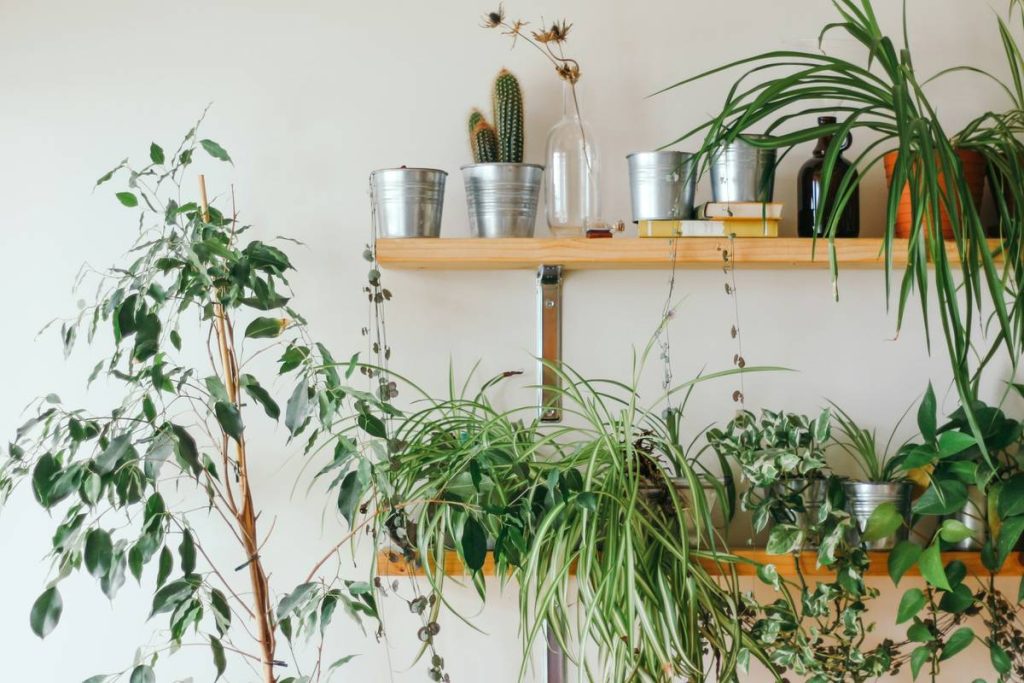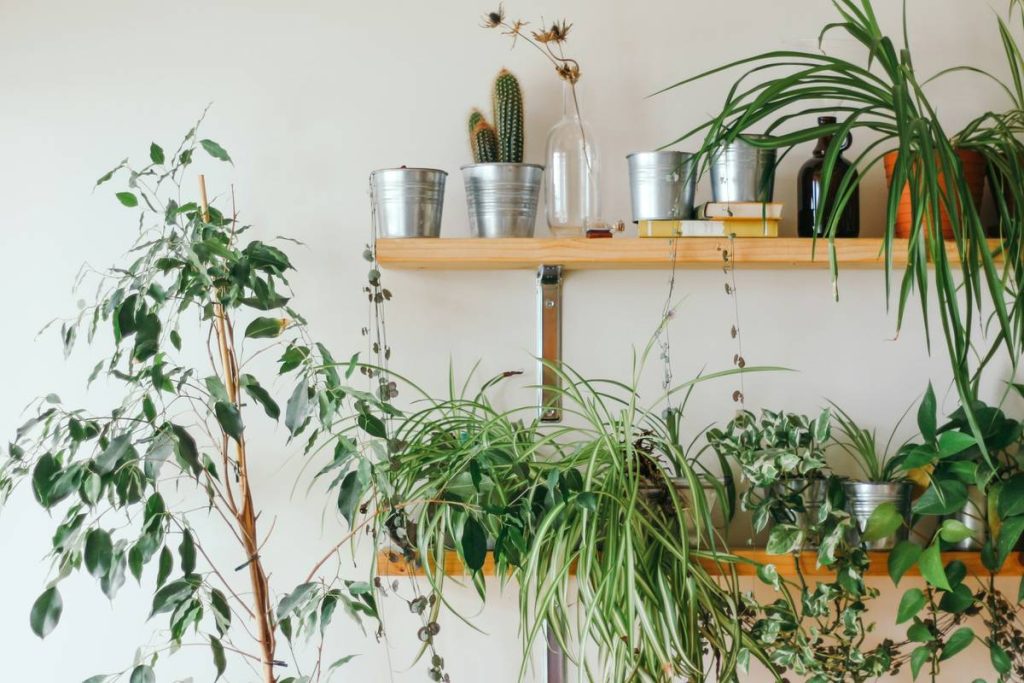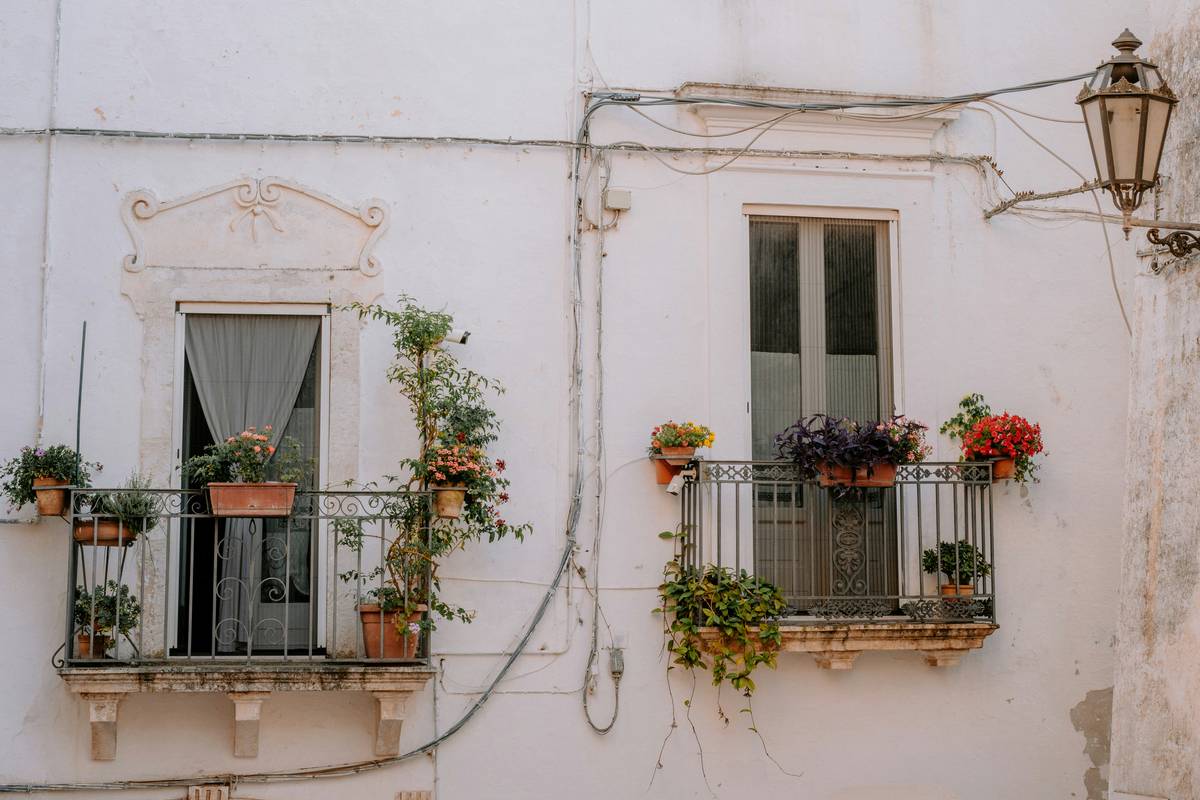
Ever stood on your Cairo balcony staring at barren concrete, dreaming of lush greenery—but overwhelmed by where to start? You’re not alone. In Egypt’s unique climate, creating a thriving balcony garden Egypt demands more than just tossing a few planters near the railing. Between scorching sun, dusty winds, and limited space, even seasoned DIYers often end up with wilted herbs and cracked pots by season’s end. This guide cuts through the noise with actionable, field-tested advice tailored specifically for Egyptian balconies—so you can grow confidently, beautifully, and sustainably.
Table of Contents
- Why Balcony Gardens Matter in Egypt
- Step-by-Step Guide to Planning Your Egyptian Balcony Garden
- Top Planter Placement Tips for Egypt
- Real Results from Cairo Balcony Gardens
- FAQ: Balcony Garden Egypt
Key Takeaways
- Choose heat-resistant, drought-tolerant plants like rosemary, aloe vera, or dwarf citrus.
- Elevate planters off hot surfaces to prevent root burn—a common rookie error.
- Use light-colored, thick-walled containers (terracotta or glazed ceramic) to reduce moisture loss.
- Group plants strategically for microclimate control; avoid overcrowding.
- Water deeply but infrequently early morning or late evening to conserve moisture.
Why Balcony Gardens Matter in Egypt
In densely populated cities like Alexandria or Giza, outdoor green space is a luxury. A well-designed balcony garden Egypt isn’t just aesthetic—it improves air quality, reduces urban heat island effects, and offers mental respite from city stress. According to the UN Food and Agriculture Organization, urban gardening can lower ambient temperatures by up to 2°C in arid regions—critical when summer highs exceed 40°C (104°F).

I learned this the hard way. My first attempt featured flimsy plastic pots crammed against a west-facing wall. By mid-July, every plant was crispy—and the plastic had warped under relentless sun. Lesson? Material and placement dictate survival as much as plant choice.
Step-by-Step Guide to Planning Your Egyptian Balcony Garden
Assess Sun Exposure and Wind Patterns
Track sunlight hourly for three days. South-facing balconies get brutal midday sun; north-facing stay cooler. Note prevailing wind direction—dust storms are no joke. Use this data to zone your space: full-sun, partial-shade, or sheltered corners.
Select Heat-Adapted Plants
Avoid water-hungry species like ferns. Opt for Mediterranean or desert natives: lavender, oregano, snake plants, or date palm saplings. The American Society for Horticultural Science confirms these thrive with minimal irrigation in arid climates (ASHS, 2020).
Choose the Right Planters
Prioritize weight (avoid toppling in wind), drainage (non-negotiable!), and thermal mass. Thick terracotta breathes better than resin. And never skip saucers—they catch runoff but must be emptied daily to prevent mosquito breeding.
Top Planter Placement Tips for Egypt
- Raise pots on stands or bricks: Concrete absorbs and radiates heat—lifting pots 4–6 inches prevents root cookout.
- Cluster for shade: Place taller plants (like bamboo) to shield delicate greens behind them.
- Avoid railing edges: Wind speed doubles at boundaries; secure heavy planters inward.
- Rotate weekly: Ensures even sun exposure and balanced growth.
- Terraces over trays: Gravel-filled trays boost humidity without waterlogging roots.
Terrible tip alert: “Just add more fertilizer if plants look weak.” Nope. Over-fertilizing in heat stresses roots further. Less is more—especially May through September.
Real Results from Cairo Balcony Gardens
Last summer, a colleague in Zamalek transformed her 3m² balcony using these principles. She used elevated terracotta planters with rosemary, mint, and cherry tomatoes. Watered only twice weekly (with drip lines!), her yield included 2kg of herbs monthly—and her indoor temperature dropped noticeably. Her secret? A DIY shade sail made from UV-resistant mesh (linked to our team’s sustainable design ethos). At Highlands Develop, we’ve seen similar success across New Cairo projects, proving that micro-gardens scale beautifully with smart planning.
FAQ: Balcony Garden Egypt
What plants grow best on Egyptian balconies?
Drought-tolerant herbs (thyme, sage), succulents (echeveria, jade), and dwarf fruit trees (lemon, pomegranate). Avoid tropicals requiring high humidity.
How often should I water balcony plants in Egypt?
Early morning, 2–3 times weekly in summer; once weekly in winter. Always check soil 2 inches deep—if dry, water deeply until it drains.
Can I use recycled containers for planters?
Yes, but drill drainage holes and avoid metal (heats too fast) or dark plastics. Clean thoroughly to remove residues.
Do I need special soil for balcony gardens in Egypt?
Blend local sand (30%), compost (40%), and perlite (30%) for optimal drainage and nutrient retention. Avoid pure garden soil—it compacts quickly.
How do I protect plants during khamsin dust storms?
Temporarily move delicate pots indoors or cover with breathable fabric. Secure heavier planters with anti-tip brackets.
Is privacy an issue with balcony gardens in dense areas?
Use tall grasses (like papyrus) or lattice screens planted with ivy. For policy details on shared-space modifications, review our Privacy Policy.
Ready to turn your concrete perch into a green oasis? Don’t guess—get personalized advice. Contact us today for a free balcony assessment. Because in Egypt’s urban jungle, your slice of paradise shouldn’t be left to chance.
Soil in hand, sun on skin—your balcony blooms begin now.