Ever lugged home a massive planter only to watch it crack after one winter? You’re not alone. Large garden decor transforms dull yards into lush retreats—but poor choices waste money, time, and curb appeal. In this guide, we’ll walk you through selecting, placing, and maintaining oversized planters the right way. Drawing from real backyard blunders (yes, I’ve buried more than one shattered urn), plus industry insights, you’ll avoid rookie errors and create stunning outdoor vignettes that last.
Table of Contents
- Why Large Garden Decor Matters
- Step-by-Step Guide to Choosing and Using Oversized Planters
- Top Tips for Long-Lasting Planter Success
- Real-World Results from Smart Planter Choices
- FAQs About Large Garden Decor
Key Takeaways
- Oversized planters anchor outdoor spaces but require proper drainage and material selection.
- Avoid concrete or ceramic in freeze-thaw zones without protective measures.
- Scale matters: choose planters proportional to your home’s architecture and yard size.
- Weight impacts placement—consider pathways, decks, and soil compaction.
- Match plant needs to container depth; large garden decor isn’t just aesthetic—it’s functional.
Why Large Garden Decor Matters
Large garden decor does more than fill empty corners—it establishes rhythm, balance, and focal points in landscape design. According to the American Society of Landscape Architects, properly scaled containers can increase perceived property value by up to 12%. But when poorly executed, they become expensive eyesores.
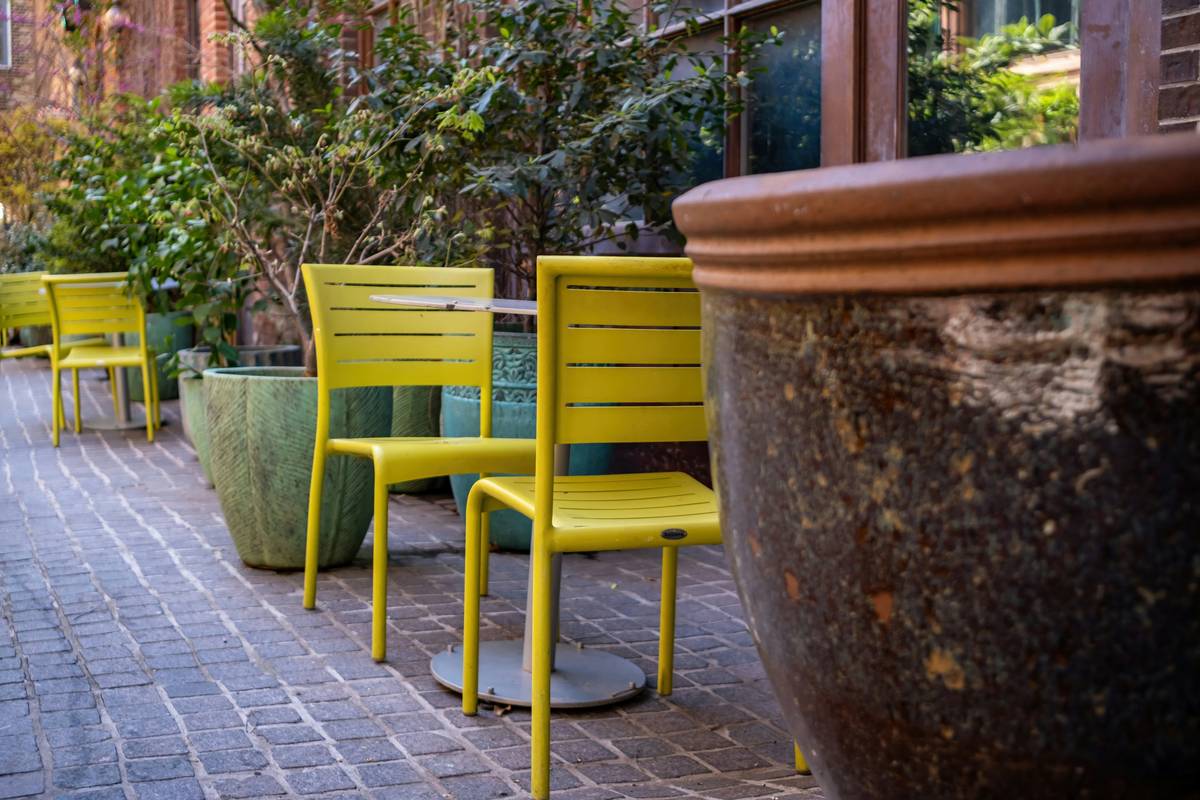
I learned this the hard way. Two summers ago, I bought a gorgeous, glazed ceramic pot—42 inches tall—for my front porch. Zero drainage holes. After a single August rainstorm, the roots of my dwarf olive drowned. By September, the pot cracked from moisture expansion. Lesson? Beauty without function fails fast.
Step-by-Step Guide to Choosing and Using Oversized Planters
1. Assess Your Climate and Location
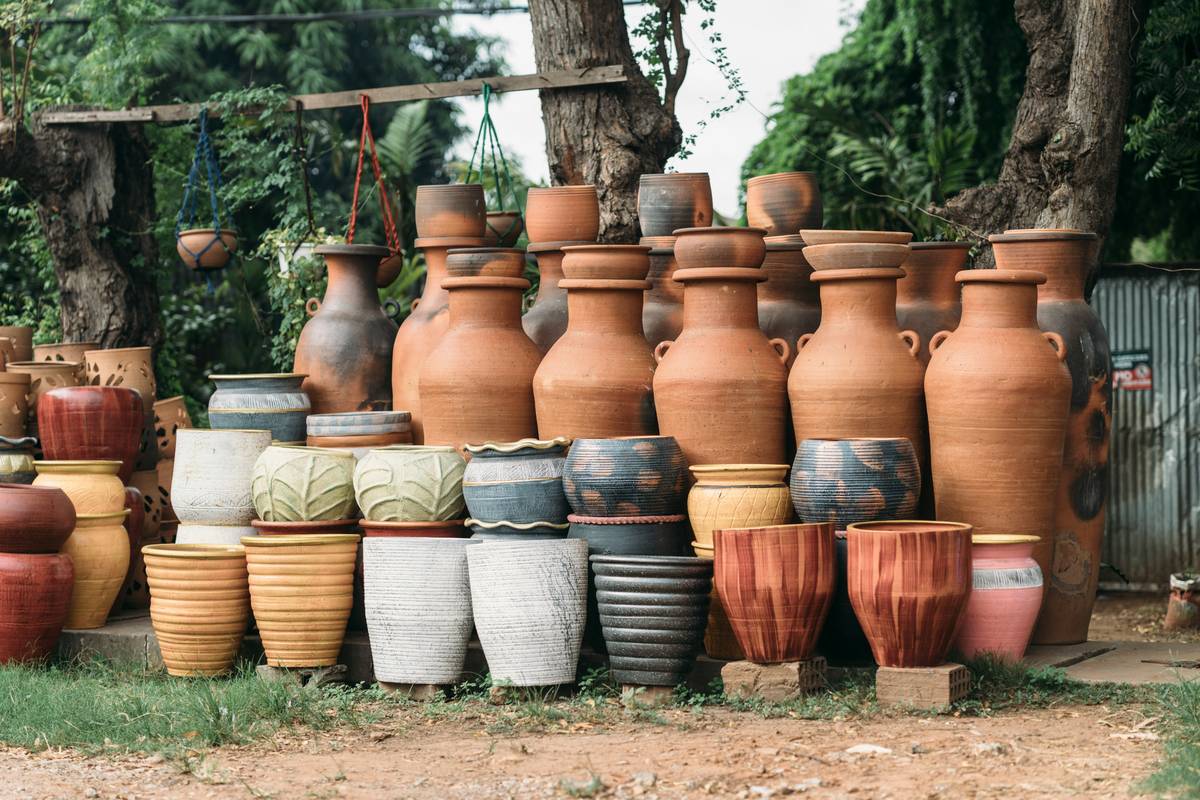
Freeze-prone areas demand frost-resistant materials like fiberglass, resin, or thick-walled HDPE plastic. The University of Minnesota Extension confirms that porous materials (terracotta, unsealed concrete) absorb water, which expands during freezing—leading to cracks. If you love stone or ceramic, use them seasonally or bring them indoors before temperatures drop below 32°F.
2. Prioritize Drainage Over Aesthetics
No matter how stunning, a planter without drainage is a death trap. Drill holes if needed (use masonry bits for stone/concrete). Line the bottom with gravel or broken pottery—not soil-blocking screens that restrict flow. Remember: large garden decor must serve living plants, not just look pretty.
3. Calculate Weight and Placement
A 36-inch fiberglass planter with soil and rainwater can weigh over 200 lbs. Don’t place it on wooden decks without checking load capacity (most residential decks handle 40–60 lbs/sq ft). For patios or lawns, ensure the ground is level to prevent tipping. And never block walkways—safety trumps style.
Top Tips for Long-Lasting Planter Success
- Go big, but not bigger than your space: A rule of thumb—planter height should be 1/3 to 1/2 the height of adjacent structures (e.g., porch railings, walls).
- Use lightweight filler: Fill the bottom third with empty plastic bottles or foam peanuts to reduce soil volume (and weight) without compromising root depth.
- Rotate seasonal plantings: Switch from evergreen topiaries in winter to tropicals in summer—keeping your large garden decor dynamic year-round.
- Avoid the “terrible tip”: Never line the interior with plastic sheeting to “retain moisture.” It traps water, suffocates roots, and promotes mold. Real drainage beats false economy.
Real-World Results from Smart Planter Choices
Last spring, a client in Denver replaced flimsy resin pots with commercial-grade, UV-stabilized fiberglass planters from a reputable supplier. Paired with drought-tolerant ornamental grasses (per recommendations from Colorado State University’s horticulture program), their front yard now survives 90°F days with minimal watering. After 14 months, zero replacements—and neighbors keep asking for sourcing details. That’s the power of strategic large garden decor.
At Highlands Develop, we’ve seen similar transformations. Our team integrates durable, scalable planters into every outdoor renovation—because we know lasting beauty starts with smart foundations. Learn more about our philosophy on our About Us page.
FAQs About Large Garden Decor
What’s the best material for large outdoor planters?
Fiberglass, HDPE plastic, and powder-coated metal offer durability, light weight, and weather resistance. Avoid thin ceramics or untreated wood in harsh climates.
Can large garden decor work in small yards?
Yes—if you limit quantity. One well-placed oversized planter creates drama without crowding. Just ensure it doesn’t block sightlines or pathways.
How often should I replace soil in big planters?
Refresh top 4–6 inches annually. Full replacement every 2–3 years prevents compaction and nutrient depletion.
Do large planters need special fertilizer?
No—but they do need consistent feeding. Use slow-release granular fertilizer at planting, then supplement with liquid feed every 4–6 weeks during growing season.
Where can I see examples of successful large garden decor?
Visit botanical gardens like the Chicago Botanic Garden (chicagobotanic.org) for professional-scale inspiration using proportionate, durable containers.
How do I clean and store large planters in winter?
Empty soil, scrub with mild soap and water, dry completely, and store upside-down under cover. Even frost-resistant types benefit from dry storage.
Ready to elevate your outdoor space with intelligent, enduring design? Skip the trial-and-error—we’ve done the heavy lifting. Contact us today for a consultation. And rest assured, we protect your data as outlined in our Privacy Policy.
Remember: Great yards aren’t built—they’re grown. One rooted decision at a time.