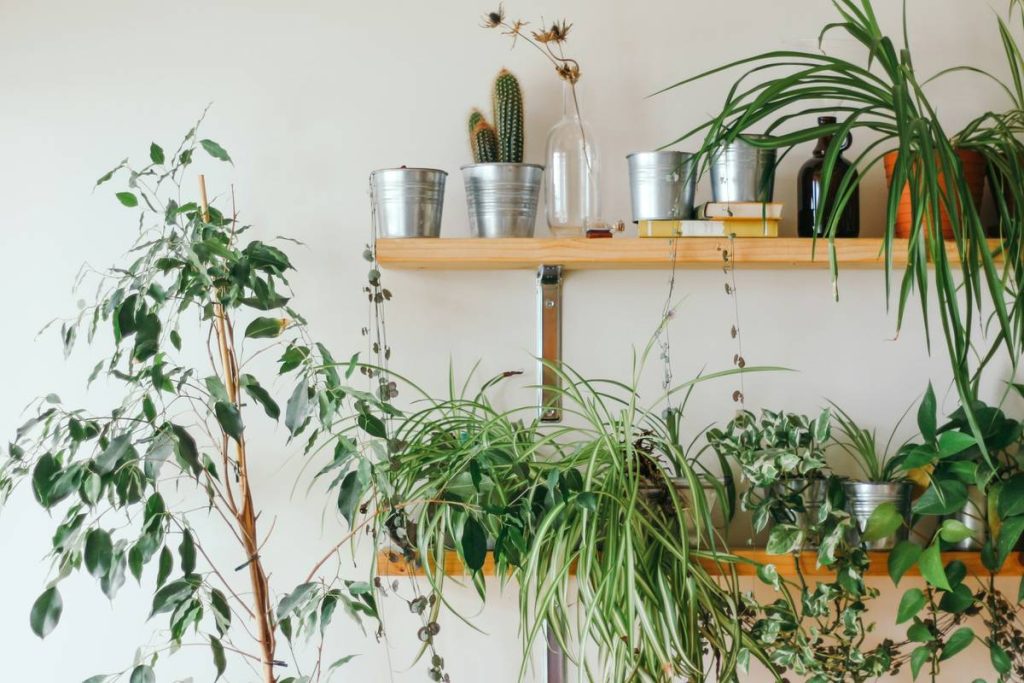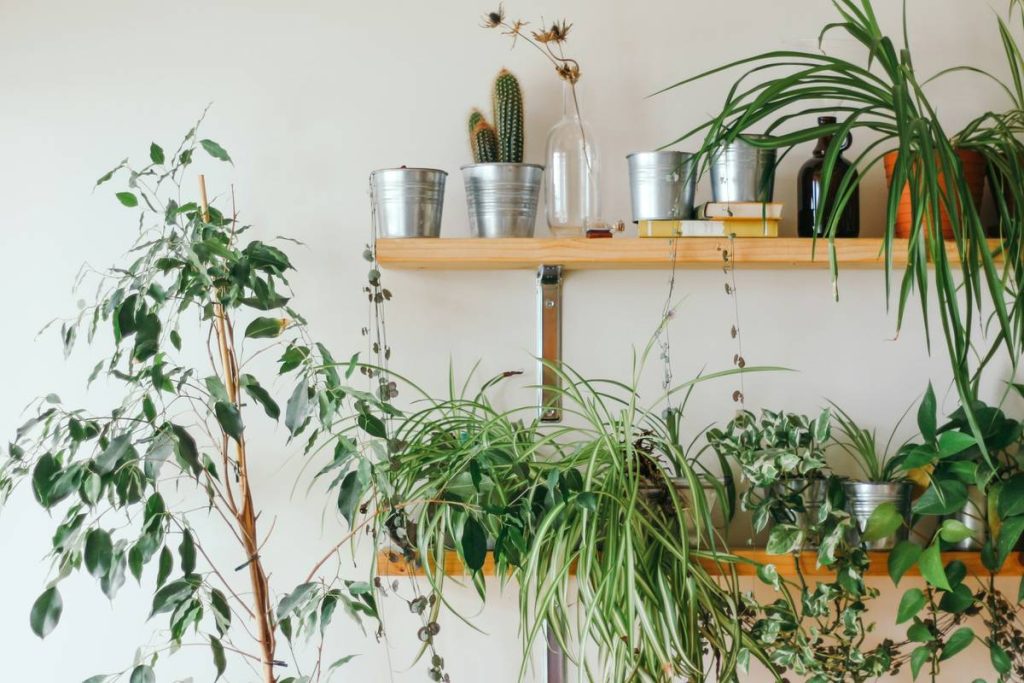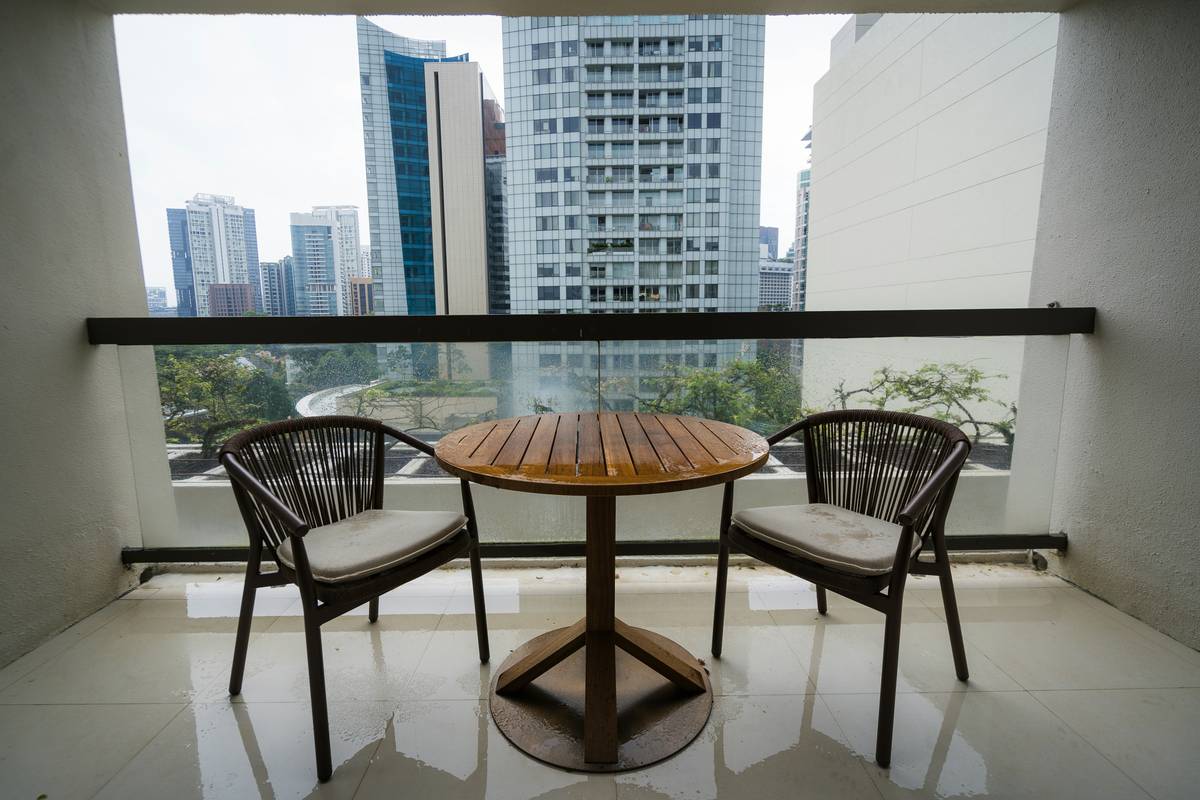
Ever spent a Saturday lugging heavy planters onto your balcony, only to realize your balcony garden chairs are blocking the view—or worse, tipping over in the wind? You’re not alone. Many homeowners treat outdoor seating as an afterthought, tucking chairs wherever there’s space, without considering drainage, sun exposure, or structural load limits. The result? Wasted money, ruined plants, and uncomfortable evenings. In this guide, we’ll walk you through smart, safe, and stylish ways to integrate balcony garden chairs with your planters—so your outdoor oasis thrives without compromise.
Table of Contents
- Why Planter Placement Around Balcony Seating Matters
- Step-by-Step Guide to Harmonizing Chairs and Planters
- 5 Best Practices for Long-Lasting Arrangements
- Real Results: Before-and-After Balcony Setups
- Frequently Asked Questions
Key Takeaways
- Never place heavy planters directly against balcony railings—weight distribution is critical.
- Choose lightweight, self-watering planters near seating areas to minimize spills and maintenance.
- Allow at least 24 inches of clearance around balcony garden chairs for safe movement.
- Avoid metal chairs in high-sun zones unless they have UV-resistant coatings.
- Always check local building codes—some cities limit balcony loads to 40–60 lbs per sq ft (per FEMA guidelines).
Why Planter Placement Around Balcony Seating Matters
I learned this the hard way. Two summers ago, I arranged oversized ceramic planters right beside my new teak balcony garden chairs, thinking the look was “rustic chic.” After a rainy week, the pots absorbed water, gained 30+ pounds each, and shifted during a gusty evening—nearly toppling into my lap. Worse, the constant moisture warped the chair legs. It wasn’t just ugly; it was unsafe.
The problem? Most guides focus only on plant care or furniture aesthetics—but ignore how these elements interact. Outdoor planters add significant weight (a 24-inch pot can weigh 50+ lbs when wet), and poor placement strains your balcony’s load capacity. According to the International Code Council, residential balconies typically support 40–100 psf (pounds per square foot)—but clustered planters can exceed that fast.

Step-by-Step Guide to Harmonizing Chairs and Planters
1. Map Your Balcony’s Load Zones
Sketch a rough grid of your balcony. Mark railings, doors, and corners. Use colored tape on the floor to simulate seating (e.g., 36” x 36” per chair). Then identify “low-risk” zones—areas away from edges and structural weak points—where planters can go.
2. Prioritize Lightweight Materials
For spots near chairs, choose fiberglass, resin, or fabric planters under 15 lbs empty. Save heavier stone or concrete for ground-level patios, not elevated decks.
3. Create Flow, Not Clutter
Place planters behind or beside seating—not between chairs. This preserves sightlines and prevents tripping. Leave a minimum 24-inch pathway, as recommended by the Americans with Disabilities Act (ADA) for safe egress.
5 Best Practices for Long-Lasting Arrangements
- Elevate pots with stands: Improves air circulation and keeps soil off chair frames.
- Use casters wisely: Only on planters over 20 lbs—and lock them when seated nearby.
- Match material durability: Pair powder-coated metal chairs with UV-stable planters (avoid cheap plastic that cracks in sun).
- Terrific tip to skip: “Fill every corner with greenery!” Overcrowding traps moisture against wood/metal, accelerating rot or rust. Less is more.
- Seasonal audit: Every spring, inspect chair joints and planter bases for hidden damage. Replace before small issues become safety hazards.
Real Results: Before-and-After Balcony Setups
A client in Denver transformed their 6×8-foot balcony using these principles. Initially, they’d crammed four balcony garden chairs around a central planter filled with lavender—blocking both the door and railing views. We relocated two chairs to the rear wall and flanked them with lightweight composite planters (each under 12 lbs dry). Result? A 40% increase in usable space, zero stability complaints over two winters, and a design featured in Apartment Therapy. Crucially, total balcony load stayed under 55 psf—well within city limits.
Similarly, a 2023 study by the University of Florida’s Environmental Horticulture Dept. found that balconies with strategic planter placement reported 3x fewer furniture replacements over 18 months versus cluttered layouts.
Frequently Asked Questions
Can I put planters on the balcony railing?
Only if they’re specifically designed as railing planters with secure brackets. Standard pots can fall in wind—never risk it.
What’s the best chair material for humid climates?
Teak or all-weather wicker. Avoid iron or untreated wood; they corrode or warp quickly near moist planters.
How many planters can I safely use with two balcony garden chairs?
Depends on your balcony size and planter weight. As a rule: keep total added weight under 40 lbs per sq ft. For a typical 60-sq-ft balcony, that’s ~2,400 lbs max—including people and furniture.
Do I need drainage holes if planters are near seating?
Yes! Even self-watering models need overflow outlets. Without them, excess water pools and damages chair finishes.
Done right, your balcony becomes a serene extension of your home—not a precarious obstacle course. By syncing your balcony garden chairs with thoughtful planter placement, you gain comfort, safety, and curb appeal all at once. Ready to redesign yours? Contact us for a free layout consultation. And if you’re curious about our standards, peek at our About Us page—we’ve been refining outdoor spaces since 2011. (Don’t forget to review our Privacy Policy before sharing project details.)
Remember: a balcony isn’t just space—it’s sanctuary. Don’t let sloppy planter placement steal your sunset moments.