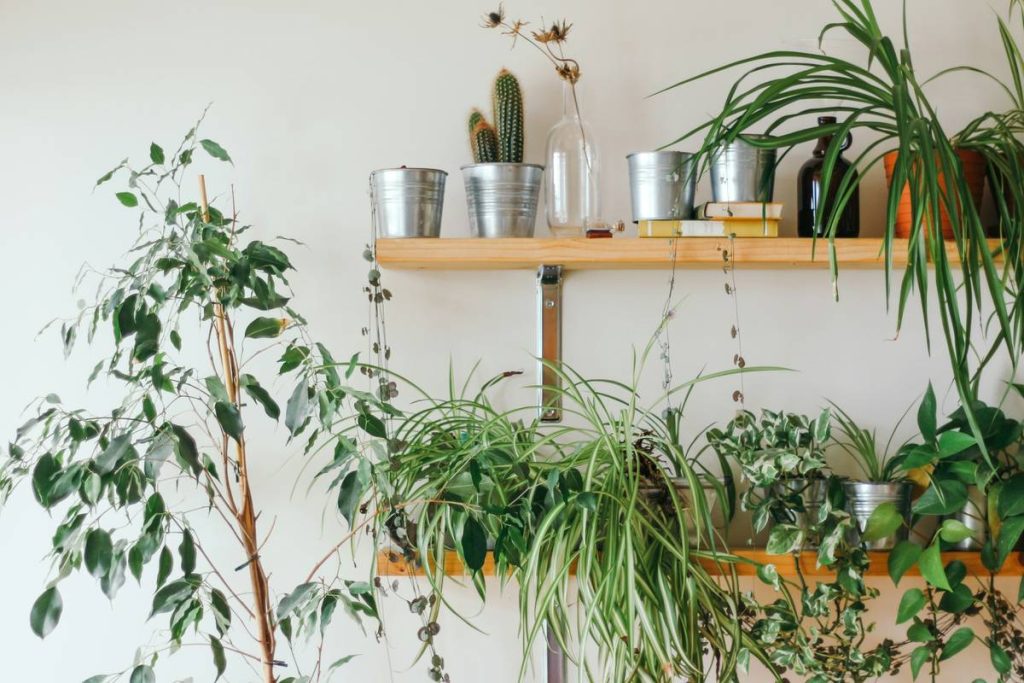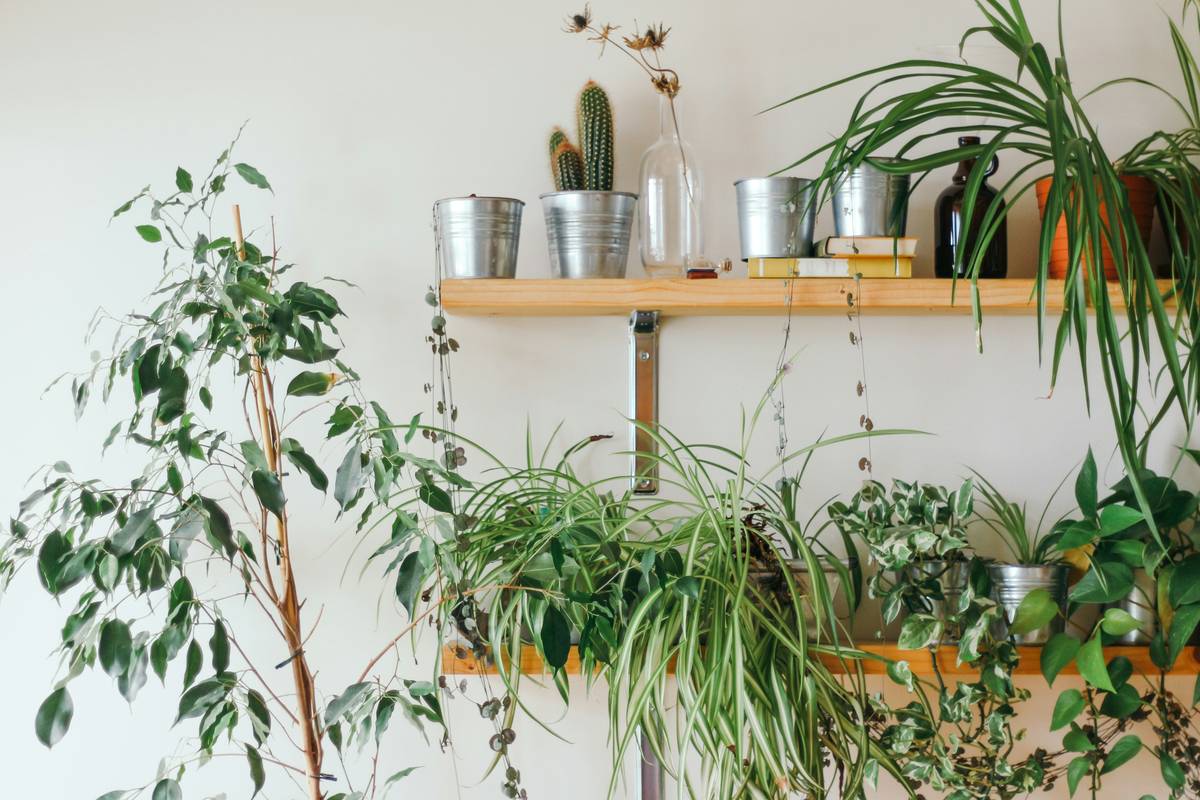
Most balcony gardens fail within weeks—not because of bad plants, but because of dumb placement. You cram in pots like Tetris blocks, ignore sun angles, and wonder why everything dies. The fix? Strategic planter positioning that turns cramped corners into lush escapes. Let’s rebuild your approach from the ground up—literally.
Why 90% of Balcony Garden Setups Collapse by August
People treat planters like furniture—toss them wherever there’s space. Big mistake. Balconies are microclimates with brutal variables: wind tunnels, scorching afternoon sun, or near-total shade depending on your building’s orientation. Stack a clay pot in a west-facing breeze? It’ll desiccate your herbs in 48 hours. And no, “just water more” isn’t a strategy—it’s a death sentence.
Here’s the reality: placement dictates survival. Not soil quality. Not fancy seeds. If your planter isn’t matched to its exact environmental slot, you’re gardening blindfolded.
Your Home Garden Ideas for Balcony: A Tactical Placement Blueprint
Forget aesthetics first. Start with physics. Map your balcony’s light, wind, and rain exposure hour by hour. Then match planter type, material, and plant species accordingly.
Step 1: Audit Your Micro-Zones (Do This at 7 AM, 1 PM, and 6 PM)
Stand on your balcony three times a day for one week. Note where shadows fall, where gusts hit hardest, and where rainwater pools. Mark zones: “Hot Zone” (direct sun >4 hrs), “Cool Shade” (<2 hrs sun), “Wind Alley,” etc. Precision beats guesswork every time.
Step 2: Match Planter Material to Zone Stress
Clay breathes but cracks in freeze-thaw cycles. Plastic retains moisture but bakes roots in full sun. Resin? Durable, but cheap versions fade fast under UV. Your material choice should counteract the zone’s weakness—not amplify it.
Step 3: Elevate or Anchor Based on Wind Load
High-rises act like sails. A 20-mph gust can topple a top-heavy ceramic urn. Use weighted bases, wall-mounted brackets, or tiered stands that break wind flow. Low balconies? Go vertical with railing planters—maximize green without floor clutter.
| Planter Type | Ideal Balcony Zone | Avoid If… | Cost Range (USD) |
|---|---|---|---|
| Self-Watering Resin Boxes | Hot Zone / Full Sun | Drainage holes clogged | $25–$60 |
| Glazed Ceramic Urns | Cool Shade / Indoor-Outdoor Edge | Exhaust vent nearby (heat stress) | $40–$120 |
| Modular Railing Planters | Wind Alley / Narrow Balconies | Railings not load-rated | $18–$50 |
| Fabric Grow Bags | Temporary / Rental Balconies | Exposed to heavy rain (soggy base) | $8–$25 |
The Industry Secret: Double-Down on “Dead Space” Corners
Landscape designers charge $200/hour to tell clients what I’ll say free: the worst spot is often your best asset. That dark, awkward corner behind the AC unit? Perfect for ferns, mint, or peace lilies—they thrive where sun-lovers wilt. Most people avoid these zones, creating dead air pockets. But place a tall, narrow planter there with shade-tolerant foliage, and suddenly you’ve got depth, privacy, and surprise greenery. It’s counterintuitive—but it works. Test it: tuck a snake plant in your gloomiest nook. Watch it outperform your sun-drenched succulents.
Frequently Asked Questions
Can I put planters directly on balcony tiles?
Yes—but always use pot feet or saucers with drainage gaps. Stagnant water underneath breeds mold and stains stone or concrete permanently.
How close can planters be to balcony railings?
Leave at least 6 inches for airflow and cleaning access. Crowding against metal railings traps moisture, accelerating rust and root rot simultaneously.
Do balcony planters need deeper soil than ground beds?
Actually, no. Shallow-rooted herbs and flowers do fine in 6–8” depth. But prioritize width over depth—roots spread laterally when space-starved vertically.