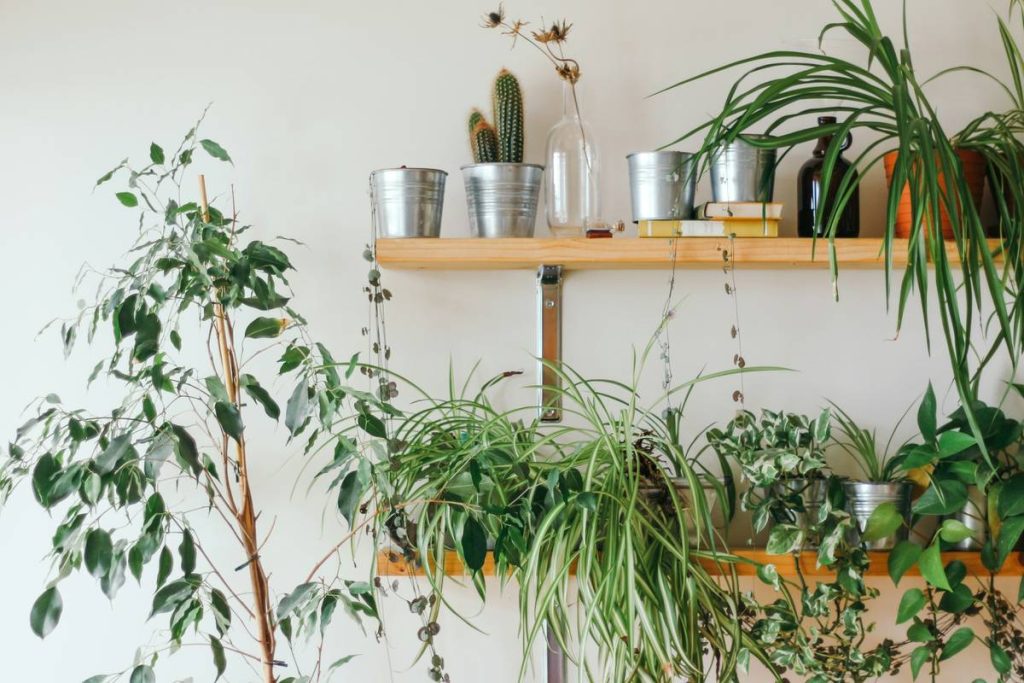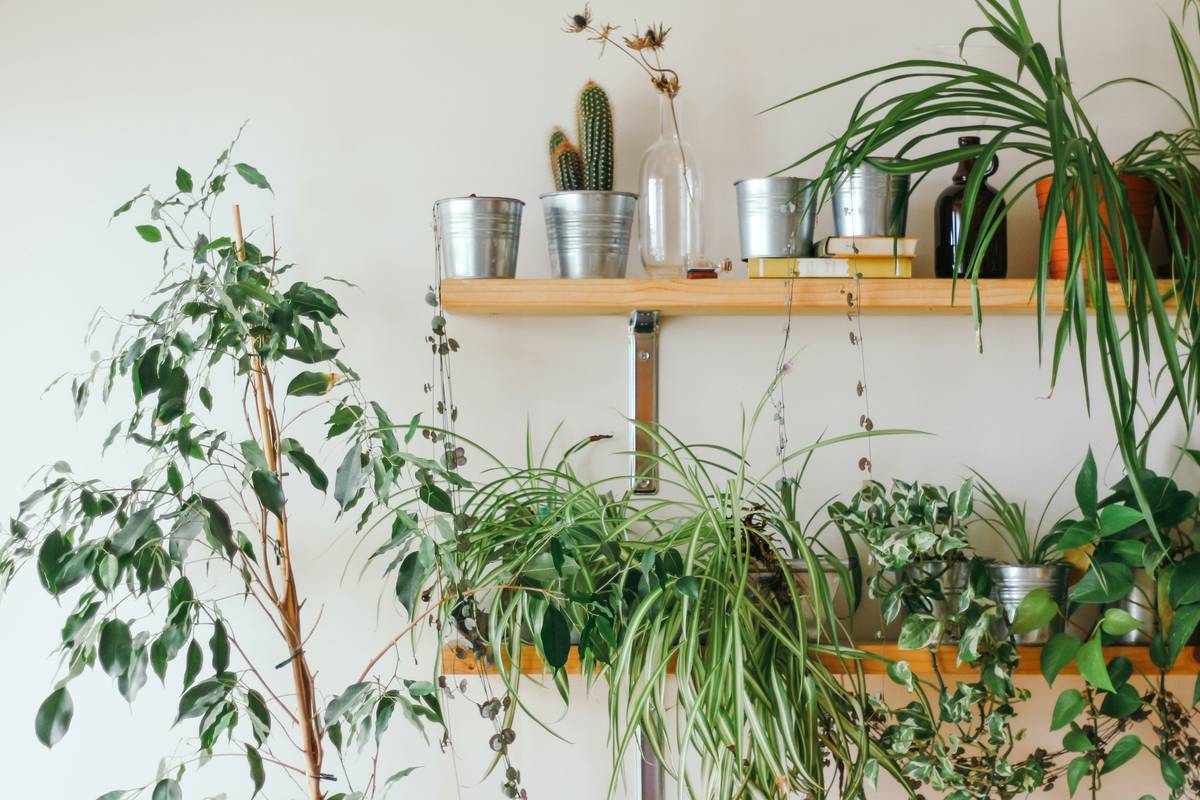
Small balconies turn into cluttered afterthoughts way too often. You bought the plants, the pots, even that cute little watering can—but nothing feels intentional. The result? A sad, half-dead basil plant and zero curb appeal. Here’s the fix: strategic balcony garden accessories that merge function with finesse.
Why Most Balcony Setups Fail Within 60 Days
People treat balcony gardening like indoor decor—static, decorative, passive. But outdoors? Everything moves. Wind shifts. Sun angles change hourly. Rain pools in cheap trays. And gravity—yes, gravity—pulls soil downward every time you water.
Most off-the-shelf planters weren’t designed for vertical stress or drainage under real-world conditions. They look great in catalogs. Fail fast on concrete slabs. The mistake isn’t your green thumb—it’s your gear.
How to Choose & Place Balcony Garden Accessories That Last
Assess Your Microclimate First
South-facing? Full sun, brutal heat by noon. North-facing? Damp shadows all day. East gets gentle morning rays; west fries leaves by 4 PM. Match your outdoor planter materials to exposure—not aesthetics alone. Terra cotta cracks in freeze-thaw cycles. Resin fades in UV. Metal heats up roots.
Anchor for Safety, Not Just Style
A 30-mph gust doesn’t care how “artisanal” your ceramic planter looks. If it’s over railing height or weighs less than 8 lbs empty, secure it. Use non-slip pads, railing brackets, or weighted bases. Better ugly-safe than shattered-on-the-sidewalk.
Drainage Isn’t Optional—It’s Non-Negotiable
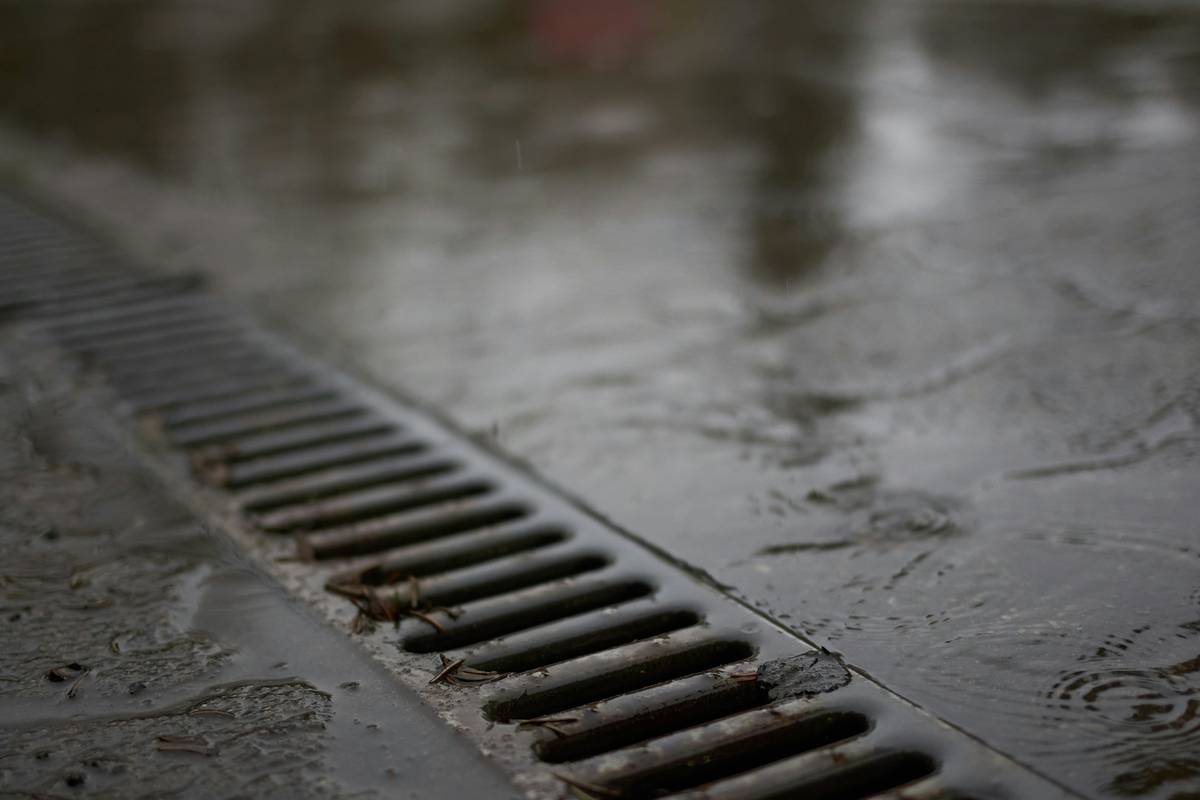
No saucer = soil erosion. Saucer full of standing water = root rot. The fix? Elevated planters with overflow channels or self-watering systems that wick moisture upward—not drown roots from below.
| Accessory Type | Avg. Cost | Best For | Pitfall to Avoid |
|---|---|---|---|
| Railing Planters | $25–$60 | Narrow balconies, max vertical space | Overloading—most support only 15–20 lbs when wet |
| Stackable Tiered Pots | $40–$90 | Herb gardens, visual depth | Poor drainage between layers causing mold |
| Wall-Mounted Pocket Systems | $30–$75 | Trailing plants, strawberries, succulents | Water runoff staining walls—use drip trays |
| Fold-Down Utility Shelves | $50–$120 | Tool storage + extra planting surface | Blocking emergency egress—check local codes |
The Industry Secret: Think Like a Roofer, Not a Florist
Here’s what landscape designers won’t tell you: rooftops and balconies are engineered surfaces first—gardens second. Water management is everything. The top-tier pros layer systems: waterproof membrane → gravel bed → elevated planter feet → mulch cap. Why? To create micro-drainage highways beneath every pot.
And this—most “self-watering” planters are scams. They flood. Instead, use olla irrigation: unglazed clay pots buried beside plants that release water only when soil dries. Ancient tech. Zero electricity. Works in Dubai high-rises and Brooklyn walk-ups alike.
Frequently Asked Questions
Can I use indoor planters outside on my balcony?
No. Indoor pots lack UV stabilizers and freeze resistance. They’ll crack, fade, or leach chemicals. Always use outdoor-rated materials.
How much weight can a typical apartment balcony hold?
Most support 40–50 lbs per sq ft. But wet soil adds 8–10 lbs per gallon. Stay under 70% capacity—and never hang heavy items from railings unless engineered for it.
What’s the best material for balcony planters in high-wind areas?
Fiberglass composite. Lightweight but rigid, with wind-resistance built into its flex profile. Concrete looks sturdy but becomes a projectile in storms.