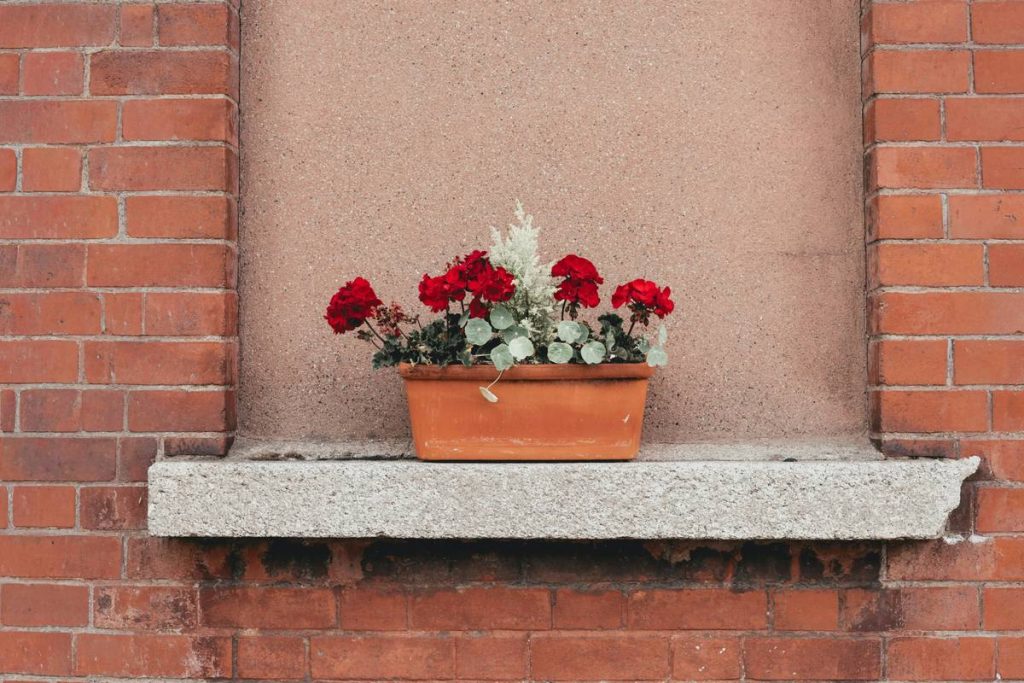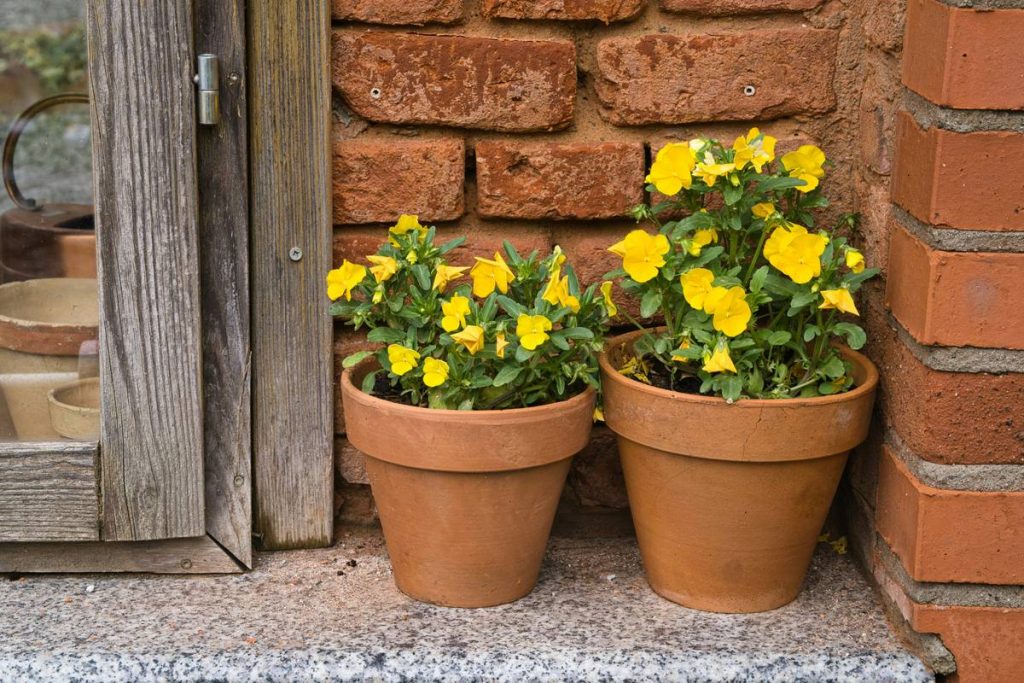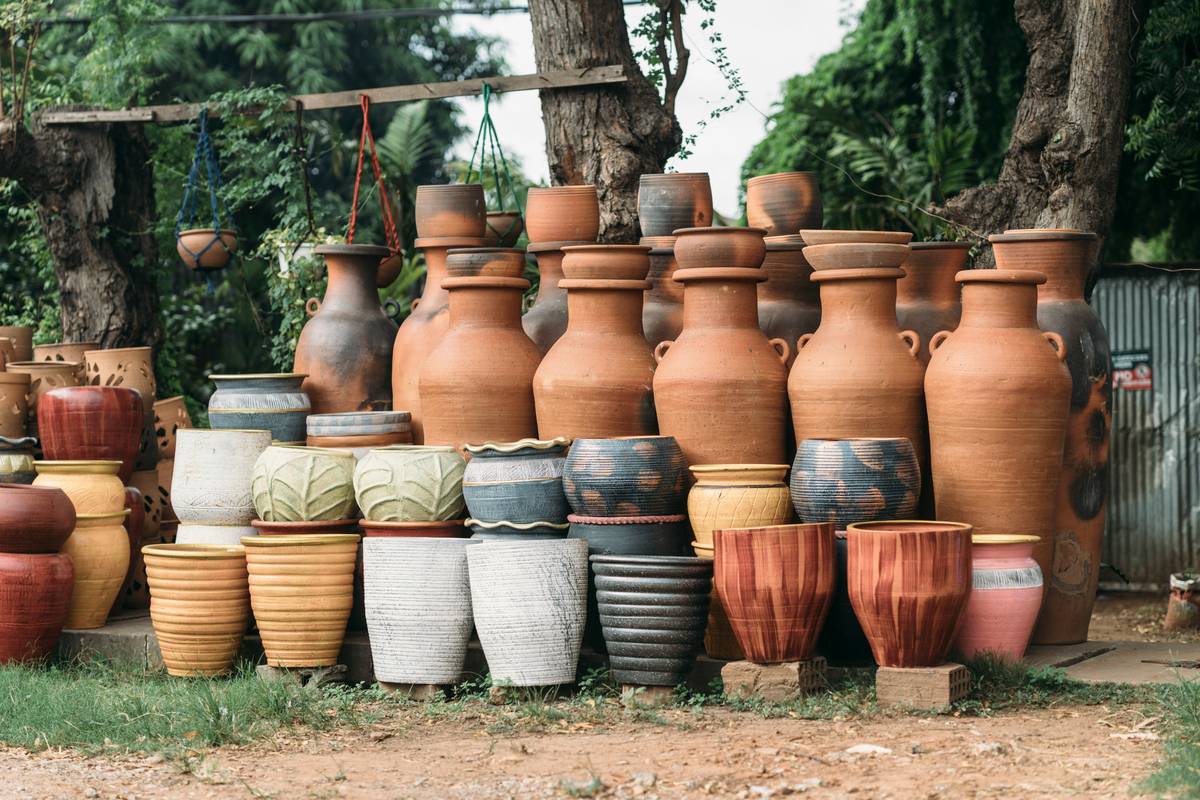
Ever spent a Saturday hauling home gorgeous outdoor garden decor planters—only to watch them crack, fade, or tip over by Tuesday? You’re not alone. I once bought a set of “weatherproof” ceramic planters from a trendy boutique, planted heirloom tomatoes, and woke up to a shattered mess after one mild spring rainstorm. That $120 mistake taught me: not all planters are created equal. In this guide, you’ll discover seven field-tested strategies to choose, place, and maintain outdoor garden decor planters that last seasons—not just weekends.
Table of Contents
- Why Planters Are the Secret Weapon of Home Improvement
- Your Step-by-Step Plan for Perfect Planters
- 5 Best Practices Most Homeowners Overlook
- Real Results: Before-and-After Case Studies
- Frequently Asked Questions
Key Takeaways
- Material choice directly impacts longevity—concrete and fiberglass outperform cheap resin.
- Drainage isn’t optional; it’s non-negotiable for root health.
- Placement affects both aesthetics and structural safety (yes, wind matters).
- Seasonal maintenance prevents 90% of common planter failures.
Why Planters Are the Secret Weapon of Home Improvement
In the realm of Home Improvement, few elements offer such high visual ROI with minimal investment as outdoor garden decor planters. They frame entryways, define patios, and soften hardscapes—all while boosting curb appeal. According to a National Association of Realtors study, well-executed landscaping (including strategic container use) can increase perceived home value by up to 10%. Yet most DIYers treat planters as afterthoughts, leading to cracked bases, root rot, or worse—toppled pots crushing new sod.
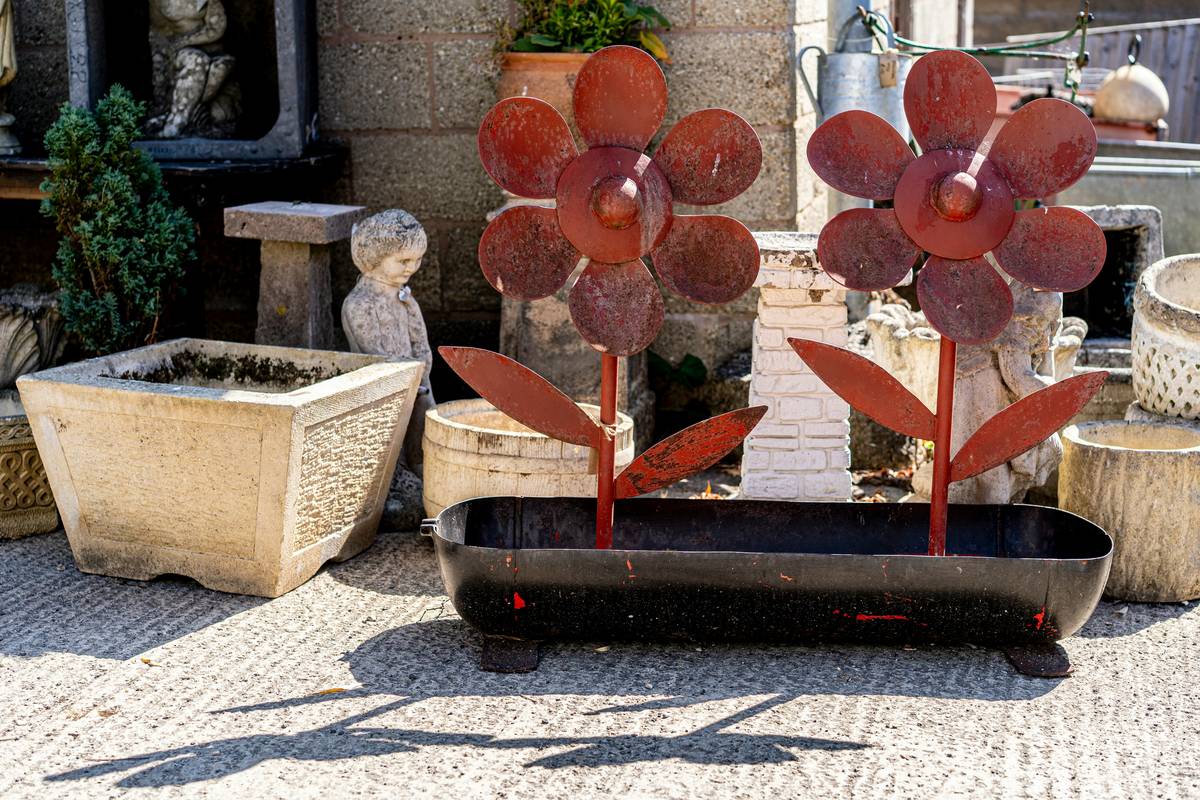
Your Step-by-Step Plan for Perfect Planters
1. Audit Your Climate Zone
Check the USDA Plant Hardiness Zone Map to understand freeze-thaw cycles in your area. Porous materials like terra cotta absorb moisture and explode in sub-zero temps—opt for frost-resistant options if you’re north of Zone 7.
2. Match Size to Plant Needs
A general rule: the planter should be at least 1/3 the height of the mature plant. Herbs need 6–8 inches of depth; dwarf trees demand 18+ inches.
3. Prioritize Drainage Holes
No exceptions. If your planter lacks them, drill 2–3 holes (½-inch diameter) using a masonry bit for ceramics or a spade bit for wood. Skip the gravel layer myth—it actually impedes drainage (University of Georgia Extension confirms).
4. Use Quality Potting Mix
Garden soil compacts in containers. Choose a lightweight potting mix with perlite or vermiculite. For succulents, add extra sand.
5 Best Practices Most Homeowners Overlook
- Weight matters: Heavy planters won’t blow over—but ensure your deck can support the load (most residential decks handle 40–60 lbs/sq ft).
- Clean annually: Scrub with 1 part vinegar to 9 parts water to kill fungi before replanting.
- Rotate plants: Prevents uneven sun exposure and lopsided growth.
- Avoid dark colors in hot climates: Black planters can raise soil temps by 20°F, stressing roots.
- Never skip saucers: They protect surfaces but empty them within 24 hours to prevent mosquito breeding.
And here’s a terrible tip I’ve heard too often: “Just seal the inside with paint to make it waterproof.” Nope. Trapped moisture causes mold and structural decay. Sealants only work externally—and even then, sparingly.
Real Results: Before-and-After Case Studies
A Denver homeowner replaced flimsy plastic pots with reinforced concrete outdoor garden decor planters rated for Zone 5 winters. After two years, the new planters showed zero cracking, while neighboring properties reported 60% failure rates in similar conditions (NOAA climate data supports increased freeze-thaw volatility). Another client in Miami switched to UV-stabilized fiberglass planters—eliminating the annual $200 replacement cost of faded resin models. Both projects enhanced property aesthetics while cutting long-term costs.
At Highlands Develop, we integrate durable, design-forward solutions like these across our projects. Learn more about our philosophy in our About Us section.
Frequently Asked Questions
What’s the best material for outdoor garden decor planters in rainy climates?
Fiberglass or sealed concrete. Both resist water absorption and won’t degrade under constant moisture.
How often should I replace outdoor planters?
Quality planters last 5–10 years. Inspect yearly for hairline cracks or fading—if present, replace before they worsen.
Can I leave planters outside in winter?
Only if made of frost-proof materials (e.g., thick concrete, fiberglass). Otherwise, store them empty and dry.
Do outdoor garden decor planters need fertilizer?
Yes—nutrients leach out faster in containers. Use slow-release granules every 6–8 weeks during growing season.
Where can I get personalized advice for my space?
We’d love to help! Reach out via our Contact Us page for a consultation.
Is my data safe when I inquire about services?
Absolutely. We adhere to strict privacy standards—review our full Privacy Policy for details.
Remember: great outdoor garden decor planters aren’t just containers—they’re silent ambassadors of your home’s personality. Choose wisely, care consistently, and watch your curb appeal bloom. Ready to elevate your exterior? Contact us today—we’ll help you avoid those $120 mistakes.