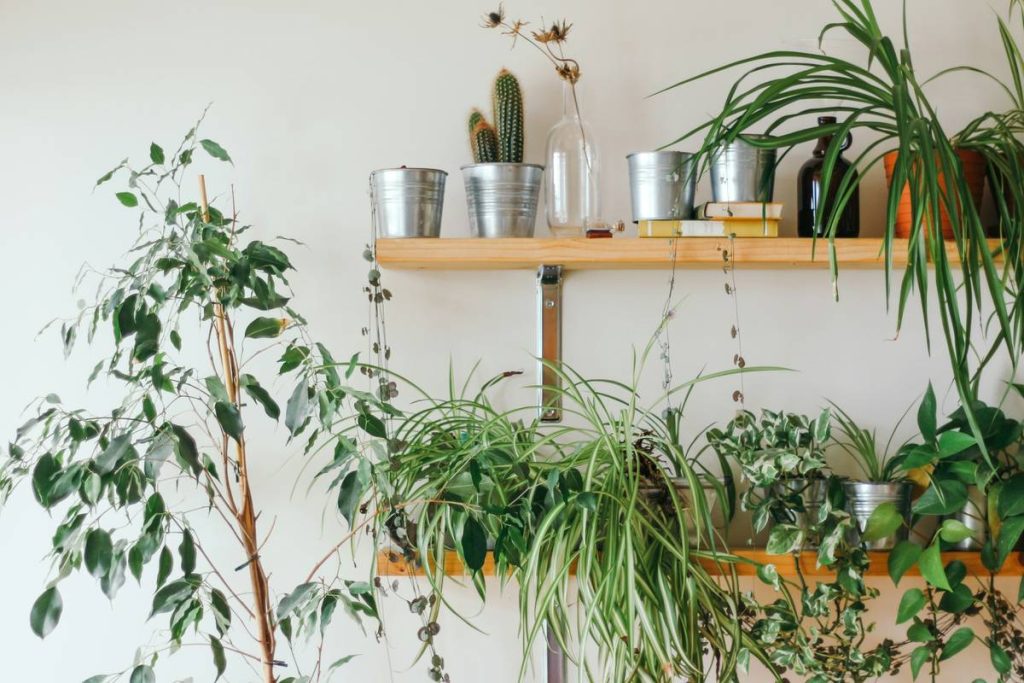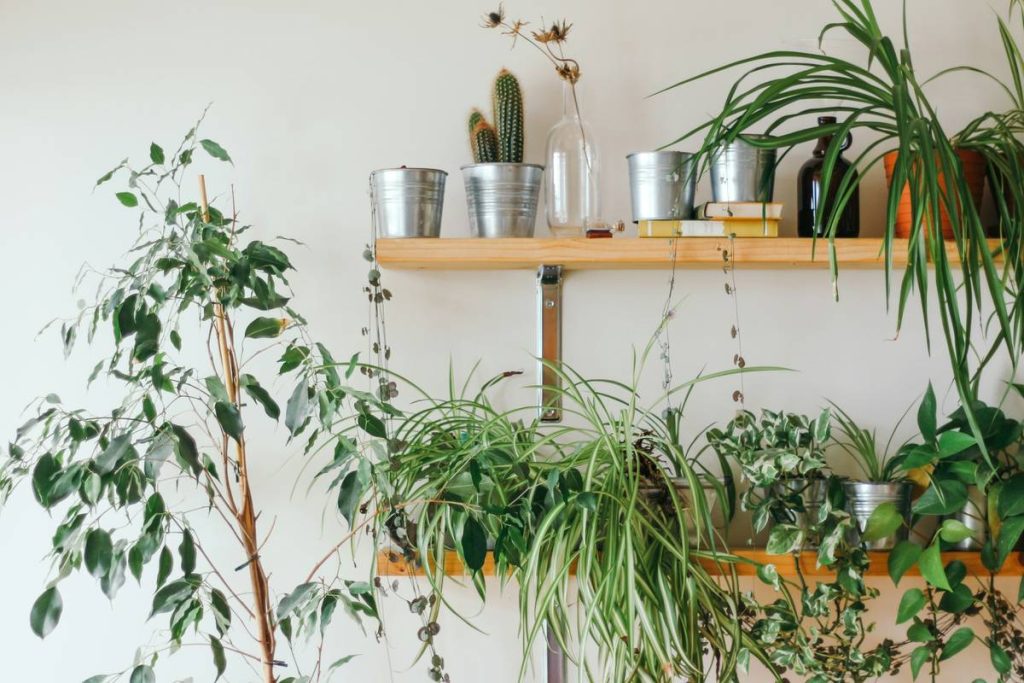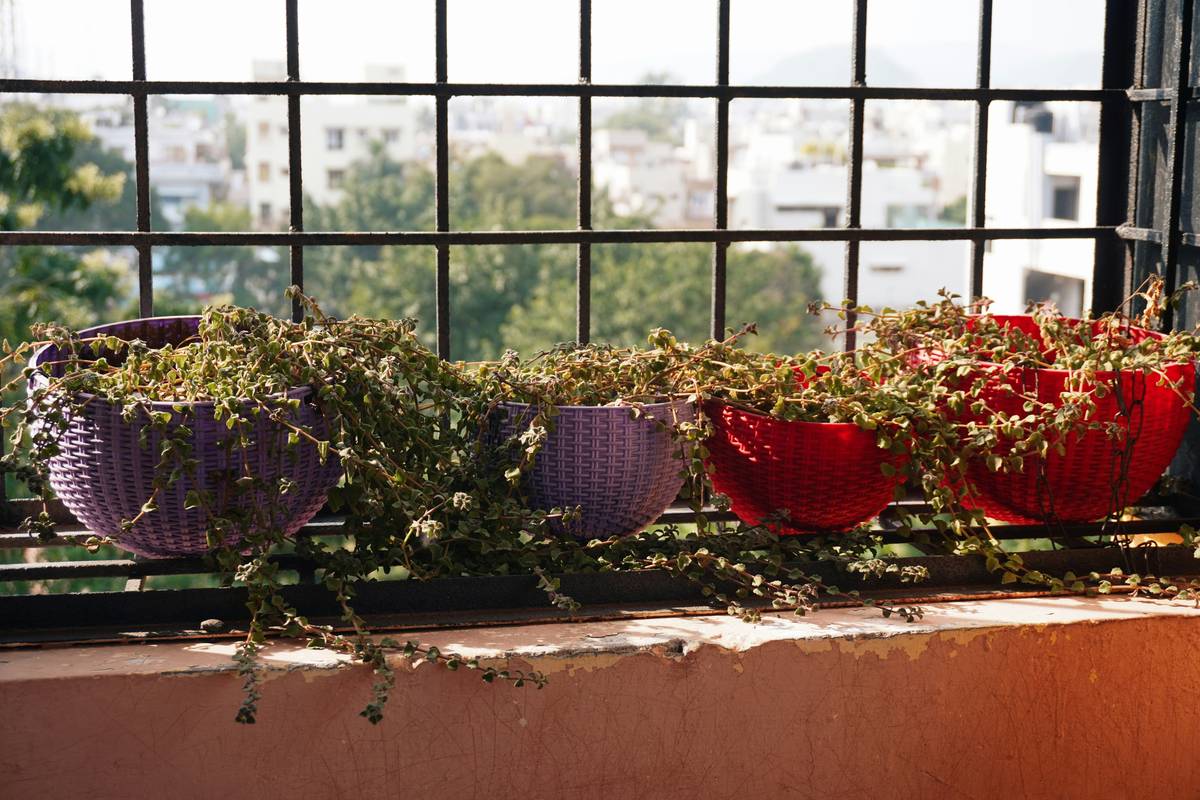
You’ve got concrete walls, a fire escape view, and maybe 30 square feet of usable space. Yet you dream of greenery, color, and that calm only plants bring. But every planter you buy either topples in the wind, drowns your herbs, or turns your tiny balcony into a cluttered jungle. The good news? You don’t need a yard—or even much floor space—to build a lush, functional balcony garden apartment. You just need smarter placement.
Why Most Balcony Gardens Fail Before Summer Ends
It’s not the plants. It’s the planter placement strategy—or lack thereof. Too many renters jam pots against railings, stack them on flimsy side tables, or hang baskets that shade everything below. Result? Leggy basil, root rot, and sun-scorched succulents. And let’s be honest—most “apartment balcony garden” guides ignore structural limits. Your landlord won’t thank you for drilling holes. Your HOA might ban heavy soil loads. Wind gusts at 8th-floor level can flip cheap plastic planters like pancakes.
Standard advice assumes uniform conditions. Reality isn’t uniform. Your east-facing corner gets cool morning light; the southwest edge bakes by noon. Ignoring microclimates kills more balcony gardens than neglect.
Strategic Planter Placement for a Balcony Garden Apartment That Actually Works
Forget “more plants = better.” Think precision. Every inch must earn its keep—with function, aesthetics, and airflow.
Map Your Light Zones First
Track sunlight for 3 days. Mark where direct sun hits for 4+ hours (full sun), 2–4 hours (partial), or under 2 (shade). Then match plants to zones—not the other way around. Herbs like rosemary or thyme demand full sun; ferns thrive in shade. Placing a mint pot in deep shade because it “looks cute there” guarantees disappointment.
Go Vertical—But Smartly
Wall-mounted grids, railing brackets, and tiered shelf systems free up floor space. But avoid overcrowding vertical lines—plants need breathing room. Use narrow, self-watering planters with built-in reservoirs to reduce weight and watering frequency. Skip the macramé hangers if your balcony sees strong crosswinds—they become pendulum hazards.
Prioritize Weight Distribution
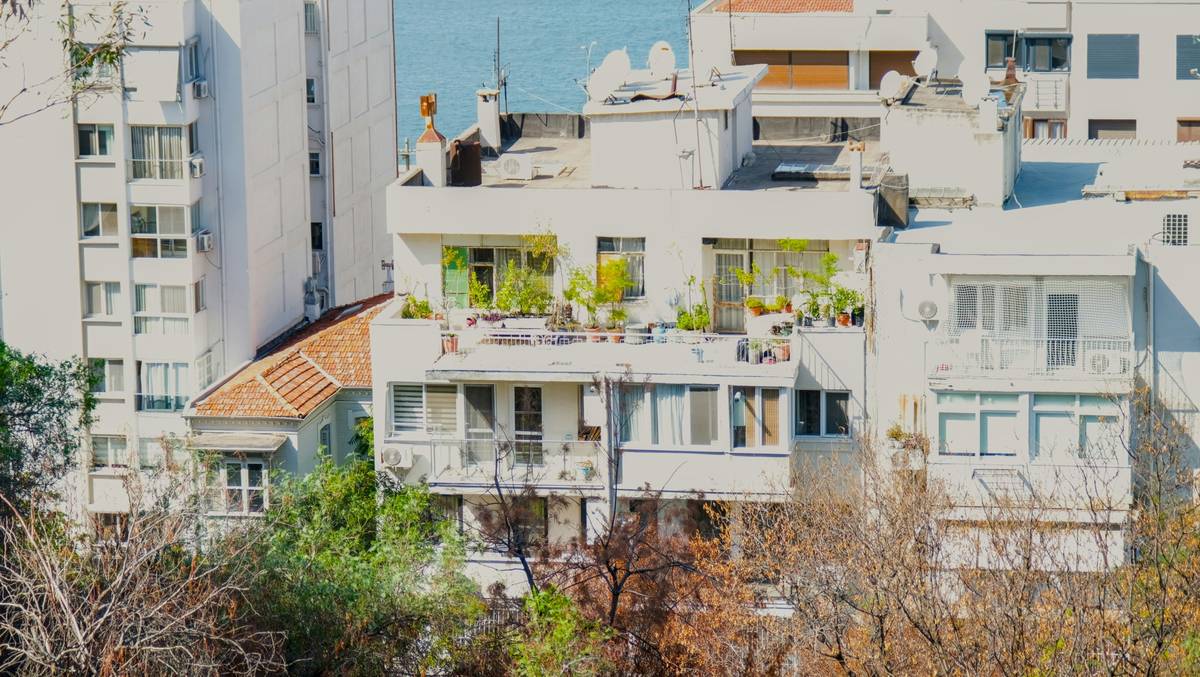
Balconies have load limits. Wet soil is heavy—roughly 8–12 lbs per gallon. A single 10-gallon pot can weigh over 100 lbs when saturated. Distribute mass evenly: place heavier planters near support columns or interior walls, lighter ones near railings. Use lightweight potting mix with perlite or coco coir instead of dense garden soil.
Drainage Isn’t Optional—It’s Non-Negotiable
No one wants water dripping onto their neighbor’s patio furniture. Always use planters with drainage holes—and add saucers that catch overflow without pooling. Better yet, choose double-walled self-watering containers that prevent leaks entirely. Your downstairs neighbor will notice. So will your security deposit.
| Placement Strategy | Best For | Weight Impact | Maintenance Level |
|---|---|---|---|
| Rail-mounted brackets | Herbs, trailing flowers (petunias, ivy) | Low (under 15 lbs per unit) | Medium (watering access tricky) |
| Floor-standing tiered planters | Leafy greens, compact shrubs | High (40–70 lbs when wet) | Low (easy access, stable) |
| Wall-hung modular grids | Succulents, air plants, small ferns | Very low (under 10 lbs) | High (frequent misting needed) |
| Corner freestanding planters | Dwarf citrus, ornamental grasses | Medium-High (30–60 lbs) | Medium (rotate for even sun) |
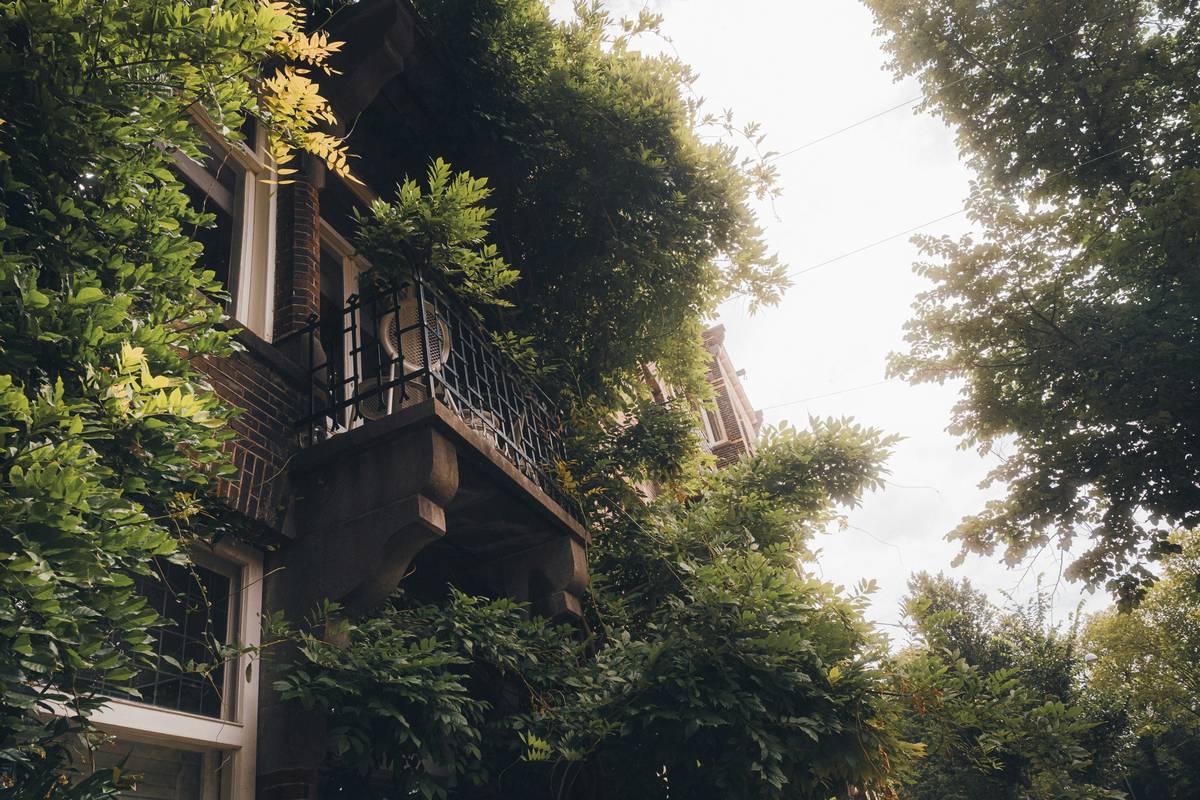
The Industry Secret: Design for Wind, Not Just Sun
Here’s what no influencer tells you: wind matters more than sun on upper floors. At elevations above the 4th story, sustained breezes dry out soil 2–3x faster and shred delicate leaves. Most balcony garden apartment failures happen not from poor lighting—but desiccation. The fix? Create micro-shelters. Use taller, bushy plants (like dwarf boxwood) as windbreaks for tender seedlings behind them. Anchor lightweight planters with rubber anti-slip pads or secure them to railings with discreet nylon ties. And choose flexible, resilient varieties—kale over lettuce, lavender over impatiens. Plants that move with the wind survive it.
Frequently Asked Questions
Can I put heavy planters on my apartment balcony?
Check your building’s load rating—typically 40–60 lbs per sq ft. Distribute weight near structural supports, use lightweight soil, and avoid clustering large pots in one spot.
How do I stop my balcony planters from blowing over?
Use wide-base containers, add gravel to the bottom for ballast, or secure pots with non-marking straps to railings. Avoid tall, narrow designs in windy locations.
What’s the best material for balcony planters in a balcony garden apartment?
Fiberglass, resin, or powder-coated metal offer durability, light weight, and weather resistance. Avoid unglazed terracotta—it cracks in freeze-thaw cycles and dries too fast.